


We strive to remain an independent source of motorsport business. If Business of Speed has provided you with useful insights this year, please consider subscribing.
Malaysia’s sports minister, Dr Taufiq Johari, is considering a Formula 1 arrangement that would bring the championship to Sepang once every few years, in partnership with another country. He told Parliament on October 15 that the proposal remains in its early stages.
I think F1 should pursue it.


A recurring place on the calendar could give historic circuits a workable route back, without adding another race to the season. The cooperation behind it could also give countries facing conflict an agreed alternative when racing at home becomes unsafe.
The Bahrain Grand Prix took place at Sepang on October 4, after regional conflict forced it away from its original venue. Malaysia has already demonstrated that a country can host another country’s race.
The reports don’t identify a partner or explain the proposed commercial terms. A government assessment is expected by the end of November.
A circuit can belong without hosting every year
Stefano Domenicali has already signed a version of this arrangement in Europe. Spa is scheduled to host in 2027, 2029 and 2031, with Barcelona taking 2028, 2030 and 2032.
That agreement gives two established circuits future dates while using one calendar slot each subsequent season. Malaysia’s proposal raises the possibility of extending that approach to other countries.
I’d happily take a properly funded Hockenheim race every third year, and I’d like to see the Nürburgring’s Grand Prix circuit considered on similar terms. An occasional race would give us a reason to look forward to going back.
With 24 Grands Prix already scheduled for 2027, every returning circuit needs room. Rotation lets Domenicali offer more venues a relationship with F1 without asking the teams to work another weekend.
A promoter with guaranteed dates every second or third year could approach sponsors with something they can plan around, while fans would know which summer to save for and a government would know how often it was being asked to support the event.
The contract would have to make the savings real. Fewer races won’t help much if the hosting fee absorbs everything the promoter saves.
Germany supplies a useful warning here. Hockenheim and the Nürburgring previously shared the German Grand Prix under an alternation agreement, and the race still disappeared from the 2015 calendar.
The business of running a circuit continues during the years F1 stays away. Maintenance still costs money, while the ticket and hospitality income from a Grand Prix disappears alongside the expense of staging it. Anyone funding upgrades has fewer F1 weekends across which to recover the bill.
Under the arrangement used for Sepang’s return, Bahrain covered the F1 hosting rights fee. A recurring Malaysian race would need a plan for paying that fee, even if Sepang hosted only once every few years.
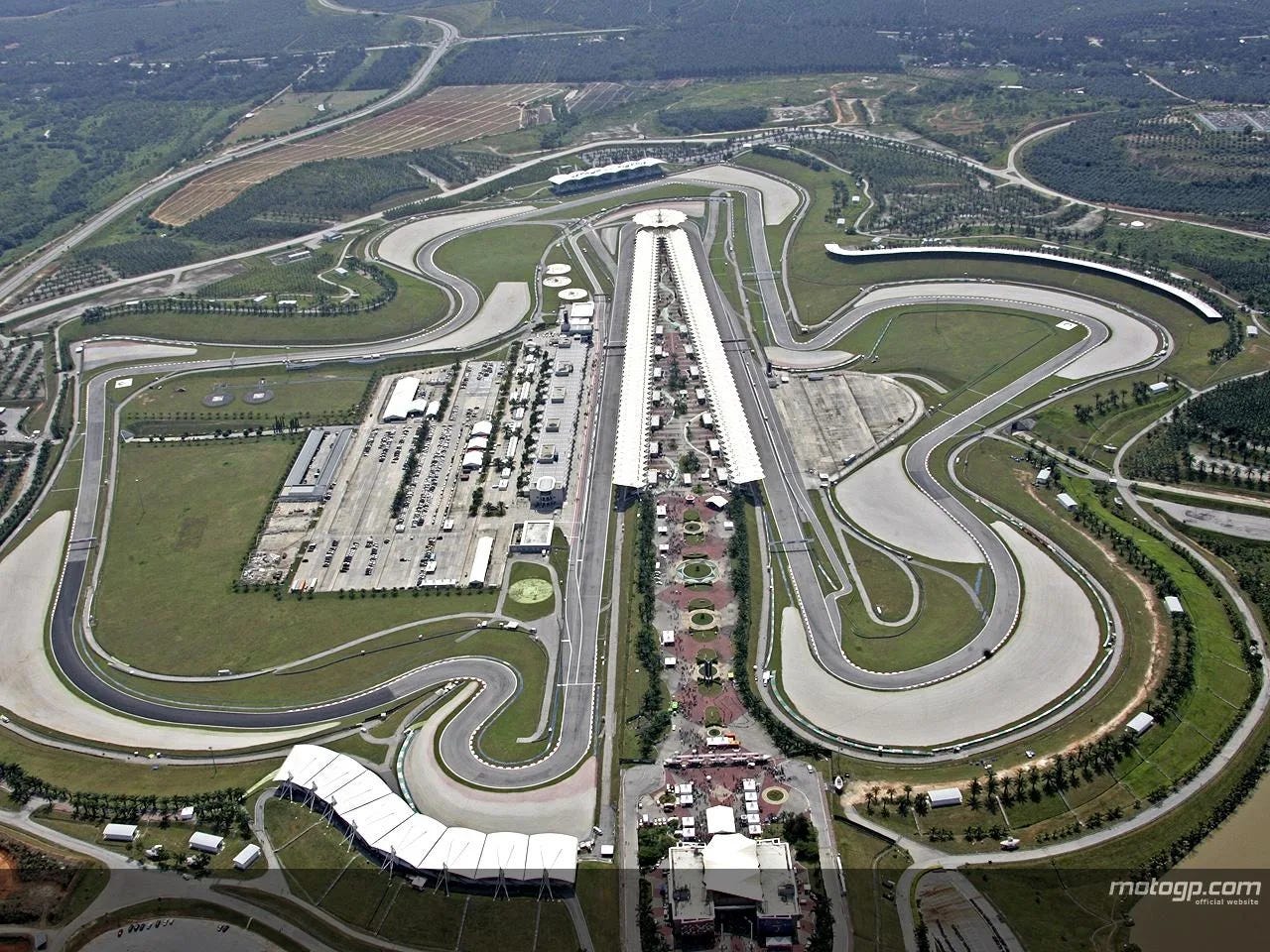
Taufiq has good reason to question whether demand can repeat annually. A return after nine years away gives fans a reason to make a special trip. An annual race has to persuade them to come back the following year.
A race every few years might suit that behavior. Fans can save for a return to Sepang when they know the next chance is some way off, and local sponsors can concentrate their spending around those race years. Nobody should budget for a scarcity premium before they’ve sold the tickets.
A race can also move when its home becomes unsafe
Planned rotation addresses how often a circuit hosts. Conflict creates a different problem because nobody can reliably schedule the safe years.
The Bahrain arrangement showed that a Grand Prix can retain its national identity while the racing happens abroad. F1 and the FIA announced the agreement in July, with the governments of Bahrain and Malaysia involved. The event retained Bahrain’s name and Gulf Air’s title sponsorship.
Before the race, Sepang chief executive Azhan Shafriman Hanif said Bahrain would pay the hosting rights fee, and that ticket proceeds were also intended to return to Bahrain under the discussions then taking place.
That gives us something concrete to work from. A country facing unsafe conditions could preserve its association with F1 through a partner venue. The circuit hosting the race gets an opportunity to host without necessarily taking on the full commercial burden.
I’d like to see those relationships agreed before they’re needed, so the decision to move a race comes with a partner circuit and financial terms already in place. Negotiating all of that while conditions deteriorate puts everyone under pressure.
Sometimes cancellation will make more sense. A partner venue needs preparation time, and teams need a practical route for freight and people, so any alternative has to be assessed against the conditions at the time.
There is also a commercial sacrifice for the country moving its race. The broadcast can still carry its name. The visiting fans spend their money near the circuit where they actually watch the cars.
For a government hoping to fill domestic hotels, that is a large part of the original case for hosting. Paying for a race abroad buys a different set of benefits. Each partner would have to decide whether the retained exposure and relationship with F1 justify its share of the cost.
Keeping a reserve venue available would also cost money. A circuit holding a weekend open for F1 could be turning away another paying event. Any agreement would have to make that worthwhile for the people running the circuit.
A circuit could host on confirmed years and also be available, by separate agreement, when another venue cannot stage its race. That would give Domenicali more choices when conditions change and give the circuit another way to earn money from its readiness to host.
I want Sepang and Hockenheim to have dates of their own, with enough money behind them to host again more than once.
Business of Speed covers the business, technology, and lifestyle of racing: Formula 1, IndyCar, IMSA, WEC, NASCAR, and more. From Vincenzo Landino, entrepreneur and creator, featured in Bloomberg, TBPN, Yahoo! Finance, Forbes, Adweek, and Front Office Sports. You can find us on Instagram, Substack, and LinkedIn.


