


We strive to remain an independent source of motorsport business. If Business of Speed has provided you with useful insights this year, please consider subscribing.
Louise Young, Formula 1’s chief race promotion officer, said at Leaders Week London that F1 will stay at 24 races and that the bar for new Grands Prix is “really high.”
“We are in the fortunate position that we will maintain our 24-race number, and any time we want to make a change, that means we would have to let go of a relationship that we’ve had perhaps for 30 or more years,” said Young.
That’s a great way to describe how F1 sells its calendar. While the Concorde Agreement allows for 25 races, the teams are almost unanimous in opposing going past 24. Only four races currently have contracts expiring before the 2030 season: Mexico City, Singapore, Japan and Portugal.
Mexico City signed a three-year extension through 2028. Singapore’s seven-year deal runs from 2022 to 2028. Suzuka is signed through 2029. Portimão has a two-year agreement with the Portuguese government for 2027 and 2028, a return we covered after MSC Cruises bought the 2027 title.
Two governments want one of those seats.
Rwanda is the first. RacingNews365 reported on Oct 6 that Rwanda has agreed to join the calendar in 2030, with a permanent circuit about 40 km from Kigali near Bugesera International Airport, designed by Alexander Wurz’s WurzDesign. On Oct 8, a Rwandan government source told AFP the bid “has been approved, and an agreement has been reached,” with an official announcement expected in Kigali next week. GMM reported that Qatar is backing the project.
Young said F1 wants to write “new history where there isn’t tradition necessarily.” F1 hasn’t raced in Africa since Kyalami in 1993. We’ve been talking about Rwanda’s bid since 2024.
Malaysia is the second. Prime Minister Anwar Ibrahim said he discussed a permanent return with F1 CEO Stefano Domenicali at Sepang on Oct 4, according to CNA. Anwar said Cabinet will discuss it and that it will “take time” because of the tight schedule and F1’s existing contracts with other hosts.
The relocated Bahrain Grand Prix drew 261,000 people over the weekend, a Sepang record, and a Sepang International Circuit official has estimated a permanent slot would cost Malaysia about USD $73.3 million (RM300 million) a year.

Young’s test for a newcomer goes well past the track. She listed government support, a destination that showcases local culture, easy movement between the airport, hotels, and the city, and a race that grows the audience. “We want to know that this is a venue not just for the sake of holding 125,000 people on Sunday, but because they’re going to entertain them from the start of the day on Thursday until the end of the day on Sunday,” she said.
If the count truly remains fixed at 24, every newcomer’s fee has to displace an incumbent’s, and every incumbent renews knowing someone else wants the date.
When I spoke with Stefano Domenicali and Eddy Cue at the Paley Center in NYC, Domenicali said more places were seeking a Grand Prix than the 24 on the calendar. He connected that demand to raising the quality of what F1 offers people paying to attend.
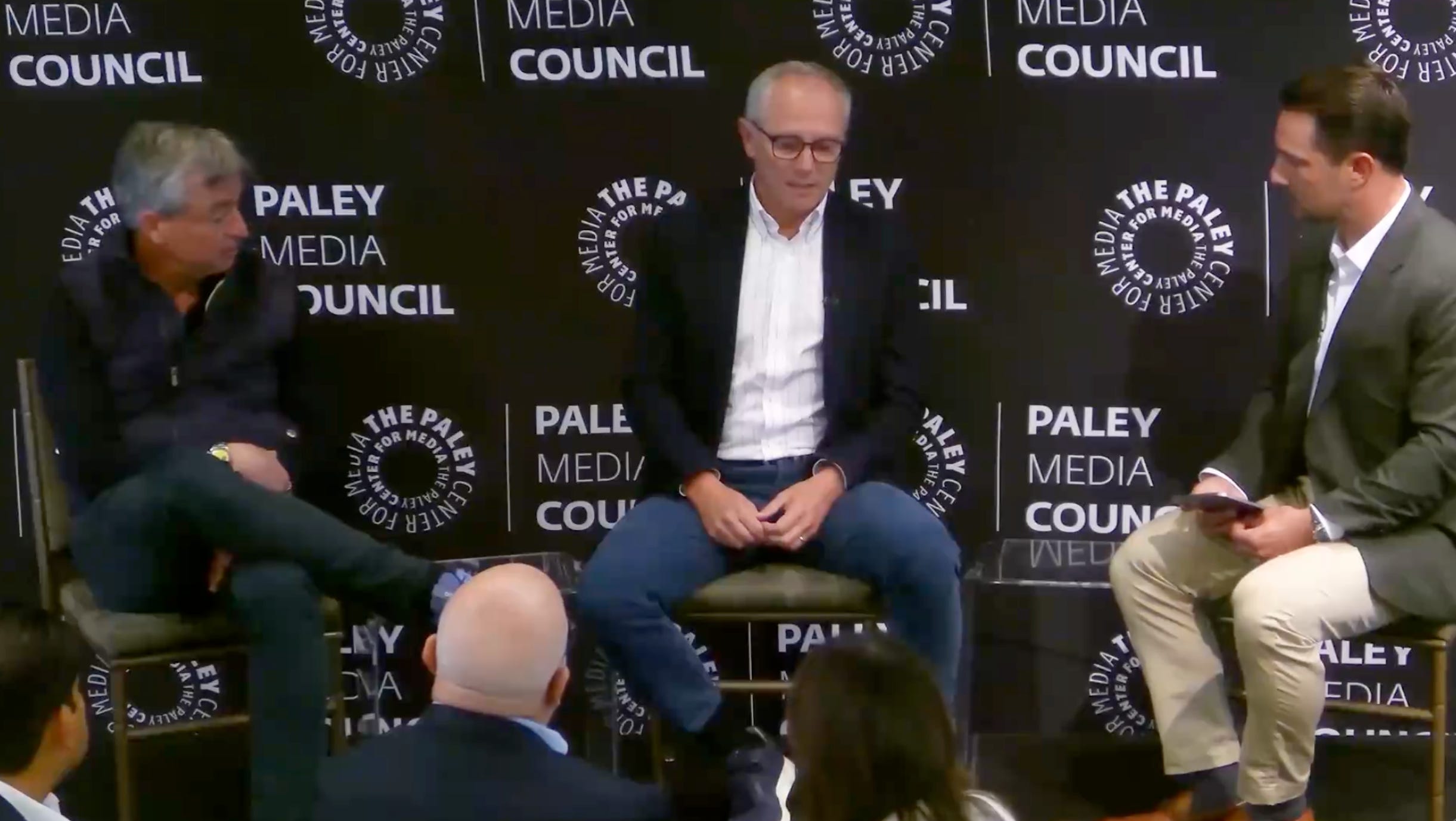
He also put responsibility on F1 to keep its partners satisfied. Both sides have to be happy, he said, or “the marriage will be short.”
Singapore races this weekend, the fifth of seven years on its current deal. Singapore’s government has already put that contract under review. Deputy Prime Minister Gan Kim Yong said in October 2025 that an independent committee found the terms “fair and reasonable” and the economic benefits greater than the costs. The same committee identified “areas of improvement for any future renewal.” Singapore will negotiate any renewal with that list in hand.
If F1 signs Rwanda and Malaysia keeps pushing, which of Mexico City, Singapore, Suzuka, and Portimão gives up its date?

