


We strive to remain an independent source of motorsport business. If Business of Speed has provided you with useful insights this year, please consider subscribing.
It’s 0330, and I’m patiently awaiting the second practice in Malaysia… for the Bahrain Grand Prix. Strange, yes. But these are strange times.
It’s been nine years since we’ve had the privilege of watching an F1 race at Sepang, and it’s long overdue. The unusual circumstances of why we’re here aren’t great, but this is still a silver lining to the whole situation.
Sepang International Circuit chief executive Azhan Shafriman Hanif said 95,000 three-day tickets had sold for the Formula 1 Gulf Air Bahrain Grand Prix in Malaysia. He expected sales to reach 100,000 before the race weekend. He also added that half of buyers were from overseas.
A 100,000-ticket target is a healthy opening for a race that last ran at Sepang in 2017, though I’ll keep one eye on the qualifier: these are three-day passes, and the number is still a forecast. It is also an oddly named business arrangement. Bahrain’s race is in Malaysia because war made Bahrain unsafe to host. Bahrain pays the F1 rights fee, chooses ticket prices, and receives the ticket revenue. Malaysia supplies the track, the workers, and the local welcome.
I still think this is a useful test of Malaysia’s ability to turn a major race into local visitor spending. I wouldn’t use it to decide whether Malaysia should buy a permanent place on the F1 calendar. The one-off removes the highest recurring cost from Malaysia’s side of the equation: hosting fees.
F1 and the FIA confirmed Sepang as the host venue in July, restoring the race to the 2026 calendar after the original Bahrain and Saudi Arabian rounds were called off amid the war in the Middle East. The official name is the Formula 1 Gulf Air Bahrain Grand Prix in Malaysia. Quite the mouthful.
However, the structure matters more than the novelty.
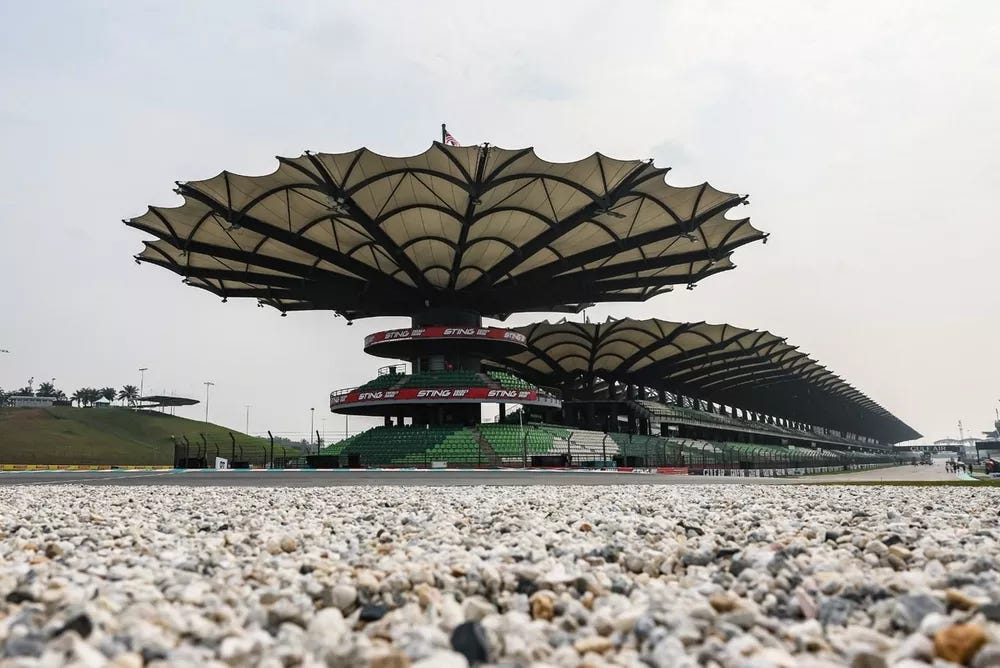
Sepang CEO Azhan told local media Bahrain would pay the estimated $70 million to $80 million hosting rights fee. The two sides would share about $9.8 million in track preparation and local organizing expenses. Prime Minister Anwar Ibrahim separately said Malaysia would spend around $3.9 million on minor circuit upgrades, according to CNA’s report. Those are different buckets, and the distinction matters. Malaysia still has a bill. It simply does not have the annual fee that pushed the old Malaysian Grand Prix off the schedule.
Bahrain also controls ticket prices and collects ticket revenue. Under this agreement, Bahrain handles the commercial side. Malaysia supplies the venue, and local operators hope to capture spending around the event. The deal keeps Bahrain’s round on the calendar and Gulf Air attached as title sponsor.
It’s easy to see why Malaysia took the deal. A full circuit sends people to hotels, restaurants, taxis, shopping centers, and the airport. The race falls between Azerbaijan and Singapore, giving traveling fans a reason to make a longer trip to this part of Asia. The Malaysian government has promoted tourism packages and weekend events (remember, the Sepang CEO said 50 percent of ticket buyers were overseas). Those are real channels for local businesses.
But forecasts have started to outrun the evidence. Malaysia’s tourism ministry set a target of 300,000 visitors, including 50,000 international tourists, and cited a Hong Leong Bank estimate equivalent to about $318 million in economic impact in an RTM report.
Bahrain International Circuit chief executive Sheikh Salman Isa Al Khalifa separately told Bernama that the race could generate about $240 million for Malaysia. A Bernama TV report cites a forecast equivalent to about $612 million in indirect economic benefits.
Those figures may not measure the same thing. They’re projections made before the gates opened, and the gap between $240 million and $612 million deserves a plain explanation. I wouldn’t lump every outcome into the word “impact.” A hotel night, a tax receipt, or a supplier contract are very different.
This is where F1's commercial mechanics become clear. For this particular race, Malaysia doesn’t collect the gate. Its case depends on spend beyond the gate, plus the value of the circuit work that remains after the trucks leave. I want to know what local hotels, restaurants, transport operators, and suppliers actually bank. That is worth measuring. It still won’t prove a permanent race can pay back its fee.
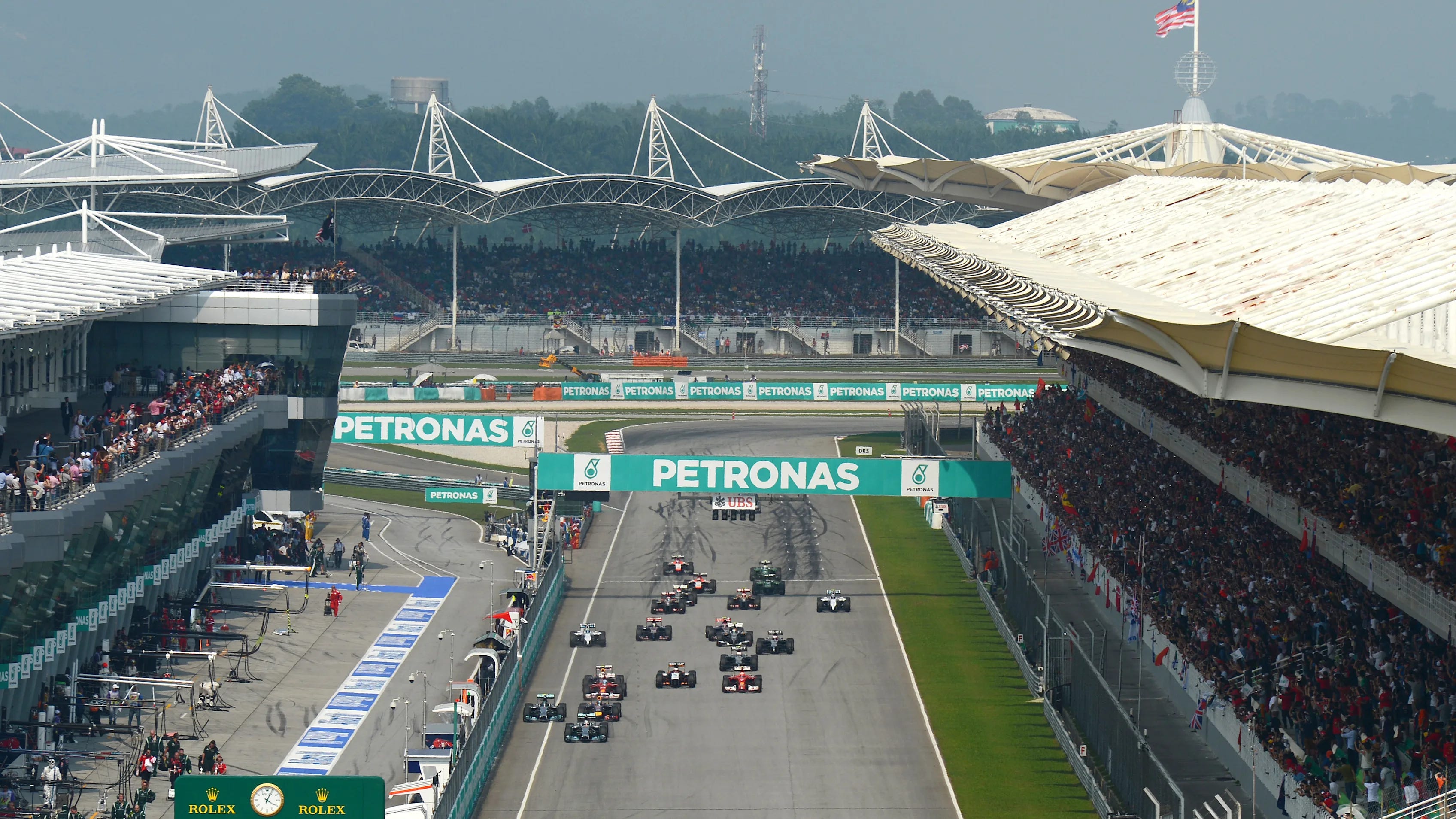
In 2025, then-sports minister Hannah Yeoh said Malaysia had no plans to bring F1 back because the annual hosting fee was around $73 million, with a three-to-five-year contract potentially costing $220 million to $367 million, according to CNA. The current deal lets the country test what F1 demand looks like after nine years away without taking on that annual fee.
I keep thinking about Silverstone. In our account of Silverstone’s turnaround, the British Grand Prix survived through a fee reset, land development, hospitality, and a deeper calendar of events. A packed race weekend helped, but it was one piece in a circuit business that had to work all year. Sepang already has MotoGP and other events. The F1 question should be whether a race strengthens that year-round business, not whether a big weekend can carry the whole case.
The BoS guide to F1 circuit economics explains why promoter fees rarely get recovered at the gate alone. The upside sits in premium hospitality, sponsorship, event programming, tourism, and public support. Each circuit has a different mix. Malaysia’s 2026 mix is especially unusual because Bahrain holds the ticket revenue while local operators hope to keep the visitor spend. That difference matters.
I can see a credible upside beyond this weekend. A Malaysian Grand Prix could pair with Singapore and sell international travelers a two-race trip. F1 could treat Southeast Asia as one itinerary, with Sepang’s daytime circuit and Singapore’s night race offering different reasons to stay. That model would need travel packages and transport that work, plus more than two neighboring dates on a calendar. It would also put Malaysia in the same argument as Thailand, which has been pursuing its own future race.
The risk is that the one-off sells a scarcity story that cannot be repeated. Half the ticket buyers being foreign is promising, but the unusual relocation and nine-year absence created a novelty premium. A permanent race would need fresh reasons to return each year. Sepang sits about a 90-minute drive from Kuala Lumpur, and CNA recalled traffic complaints from the 2017 race. A hotel surge helps local businesses only if fans can get around and stay long enough to spend.

My bet is that Sepang will become a more valuable regional contingency venue before it returns as a permanent stop. The 100,000-ticket target gives F1 a strong crowd story. The tougher proof comes after Sunday: how many foreign visitors stay, what they spend, which local businesses benefit, and how much public money Malaysia puts in. If those figures hold up, Malaysia can negotiate from evidence. If they don’t, the strange Bahrain weekend will still have given the circuit a useful upgrade and a reminder of what it can host.
For now, I’m reserving judgment on a permanent return. But damn, it feels so good to be watching a Grand Prix Championship race in Sepang again.
Business of Speed covers the business, technology, and lifestyle of racing: Formula 1, IndyCar, IMSA, WEC, NASCAR, and more. From Vincenzo Landino, entrepreneur and creator, featured in Bloomberg, TBPN, Yahoo! Finance, Forbes, Adweek, and Front Office Sports. You can find us on Instagram, Substack, and LinkedIn.

