

I’ll never hide my love of the NFL’s Pittsburgh Steelers. As I was putting some finishing touches on this first post of the new year, the Steelers were leading by two points against their biggest rival, with the opposing team’s kicker ready to kick a game-winning field goal…
…and HE MISSED IT!
Steelers win the game. Steelers win the AFC North. Steelers go to the playoffs.
I’m still feeling the adrenaline coursing through my veins.
Thank you for listening. Now, back to racing.
We’ve already started the Formula E season last month; the Dakar Rally is currently underway; Formula 1 livery reveals will begin soon; and the Rolex 24 Hours of Daytona is in a few weeks.
2026 will bring more coverage of series such as IndyCar, SailGP, NASCAR, WEC, and IMSA.
Thanks to the support of our paid subscribers, we launched the podcast (a 2025 goal) late Q325. A massive shoutout to founding members: Amy Schmittauer, Danilo Massaro, Matt Narel, Rosario Torelli, Josh Felber, Hannah Elliott, and Andy Amendola.
For the new subscribers, welcome, glad to have you here. To get you started, these are some of our more popular posts from the last year.



The Great Recalibration
For most of the early 2020s, the automotive industry was convinced that electrification was inevitable.
Inevitable to the point that regulators wrote bans and manufacturers reorganized entire product lines around a single assumption: by 2030–2035, the internal combustion engine would be functionally obsolete.
Naturally, motorsport followed suit.
We’ve seen more electric series launch, hybrid programs considered a transitional phase, and sustainable fuels treated as an interesting, but temporary solution.

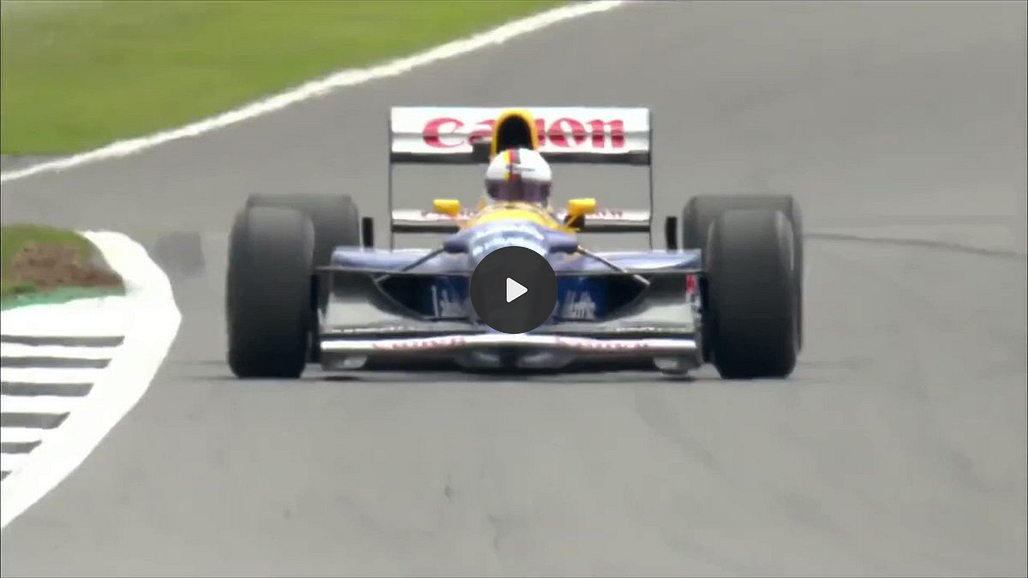
It seems we may be hitting the pause button on that narrative.
What replaced it is not denial, or backlash, or a sudden loss of faith in electrification. What replaced it is something colder and more professional: optionality.
By 2026, the global auto industry has entered what executives increasingly describe as a “survival phase.” EV demand has softened due to subsidies dropping off, costs increasing, and regulatory timelines that don’t align across continents.
The once seemingly clean consensus around a single technological destination has fractured back into regional, political, and economic realities.
Pure electric racing now exists less as marketing and more as long-dated R&D insurance.
Hybrid racing has become the most commercially relevant category on the planet, aligned with what consumers are actually buying and what regulators are now permitting.
Sustainable combustion has emerged as a politically viable way to preserve legacy assets, supply chains, and cultural capital in a Net Zero world.
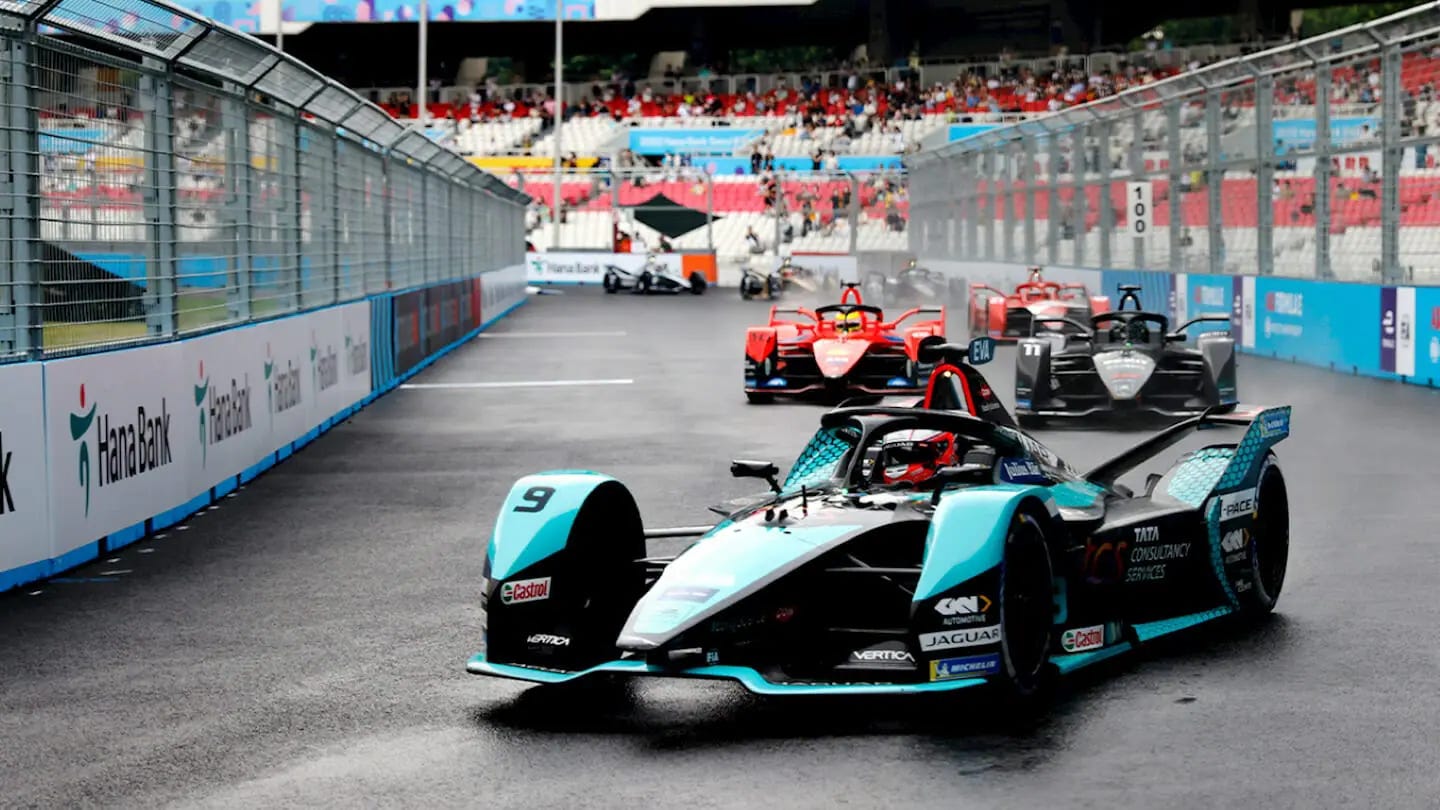
This is the great recalibration.
Motorsport has stopped (or atleast slowed down) evangelizing a single outcome and started behaving like a portfolio.
Each investment answers a different boardroom question: What if EV adoption stalls longer than expected? What if hybrids dominate for twenty years? What if carbon-neutral fuels become the only way to decarbonize the existing global fleet?
Seen through this lens, the current options makes sense.
The retreat from complexity in some series. The renewed confidence in hybrid formulas. The deliberate protection of internal combustion under new sustainability narratives.
For now, it looks like the future of motorsport will be less binary and more about staying relevant regardless of what future arrives first.
Less binary. What does that mean?