


Formula 1 likes to talk about evolution. But every so often, it opts for something closer to a reset.
The 2026 regulations are one of those moments.
On the surface, the sport insists the new 2026 regulations are just a refinement of the current era. Look closer, and it’s clear: F1 is re-architecting the car, the power unit, and—crucially—the commercial logic of the championship.
But to understand the future, let’s focus on the past first.
The Current Era (2022–2025)
The existing regulations were designed to solve three core problems:
Racing quality
Financial sustainability
Competitive convergence
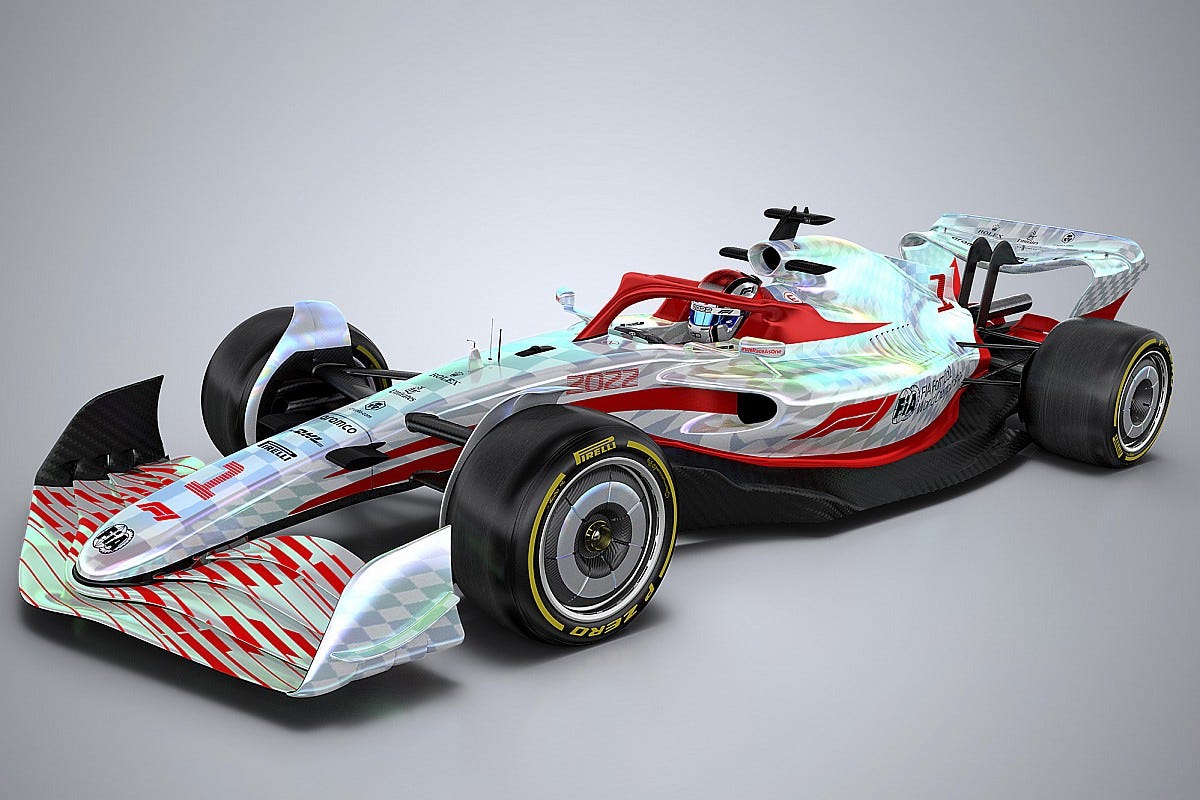
What defines the 2022-2025 F1 car:
Ground-effect aerodynamics with large venturi tunnels
Heavy reliance on downforce generated from the floor
Complex hybrid power units with MGU-H and MGU-K
Cars tipping the scales at over 790 kg
Stable chassis rules to allow teams to converge
From a business perspective, it worked. Teams became more financially viable while the sport regained credibility with manufacturers and sponsors alike.
But the end of a regulatory set brings stagnation.
Performance gaps will stop shrinking. Cars became too heavy. Power unit costs ballooned. And manufacturers looked at the rulebook, and well, hesitated.
That’s where 2026 comes in.
A Rebalancing Act, Not a Revolution*
(*Despite Appearances)
Formula 1 doesn’t want chaos.
The 2026 rules rebalance where performance comes from, so teams aren’t locked into a single make-or-break path.
Video courtesy of F1/Formula One Media
The headline changes:
Close to a 50/50 power split between internal combustion and electric
MGU-H eliminated
Advanced sustainable fuel
Smaller, lighter cars
Active aerodynamics
Simplified power units designed to attract new OEMs
DRS out, “Overtake Mode” in — An electrical “push” available when drivers are within one second of the car ahead, anywhere on track. Designed to encourage genuine wheel-to-wheel passes and strategy.
Boost Mode — Driver-activated, maximum combined power from engine + battery, can be used offensively or defensively, anywhere on track.
Recharge — Forces drivers to actively harvest energy through braking and lift phases.
Power Units
The current hybrid era is engineering brilliance, but a commercial nightmare.
The MGU-H is expensive, complex, and largely irrelevant to road cars. Removing it cuts costs, reduces development barriers, and makes F1 power units more relatable to OEMs.
In 2026, electrical output will increase significantly, energy from fossil fuels will be more tightly regulated, and the ICE will need to become more efficient rather than relying solely on brute force.
This makes energy management the defining performance differentiator. The flip side of higher electrical deployment is recharge: drivers will be forced to actively harvest energy through braking and lift phases, making energy recovery a visible part of racecraft.
Aerodynamics
In 2026, active aero replaces some of the static downforce. Cars will run low-drag configurations on the straights, with different aero modes in corners.
In theory, this should reduce wake turbulence and offer more strategic variety.
Active aero becomes a controllable performance lever, not just a design feature. Teams will trade corner grip for straight-line efficiency through selectable modes. It becomes less about who builds the most clever wing and more about who integrates the systems best.
Weight and Size
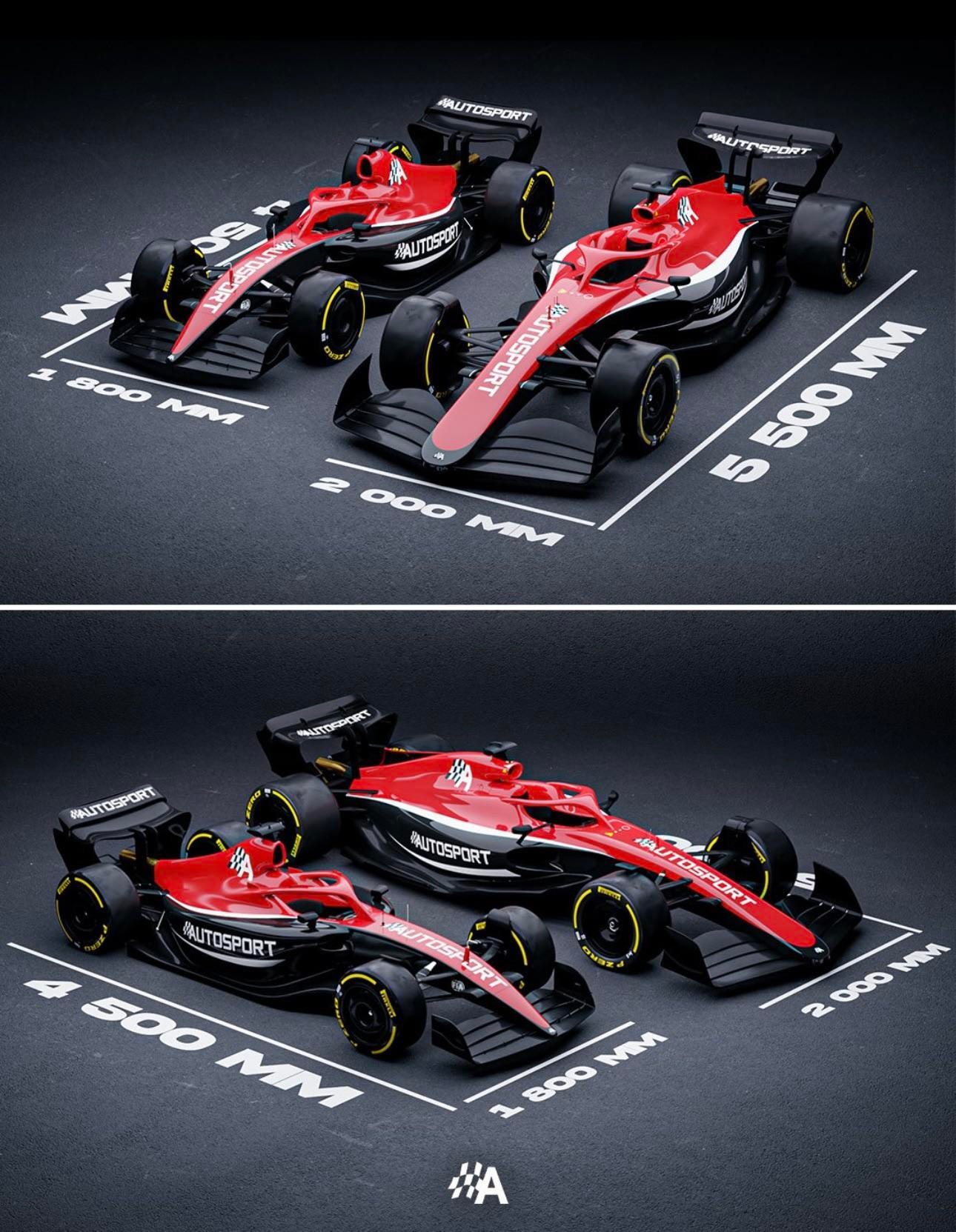
Modern F1 cars are so fast, so safe, and just a wee bit overweight. Anyone who’s been around a current F1 car will tell you, they are massive.
The 2026 rules mandate shorter wheelbases, narrower cars, and a meaningful weight reduction.
This isn’t nostalgia. (Although we do love our F1 history at Business of Speed!)
Lighter cars should brake later, change direction faster, and very likely punish mistakes more severely.
That’s good for racing. And good for drivers who actually want to race the car, not manage mass.
What Stays the Same
Despite the noise, F1 is deliberately keeping some pillars intact.
Cost cap remains
Reduced downforce + active aero (The floor still matters, but 2026 deliberately reduces overall aero load and leans harder on active aerodynamics for efficiency and raceability.)
Standardized elements still limit spending wars.
Safety-first design stays non-negotiable (obviously!)
From a business standpoint, this is critical. The sport cannot afford another arms race. Predictable costs are what keep investors, sponsors, and manufacturers at the table.
The lesson from the last decade is crystal clear: spectacle without sustainability doesn’t scale.
So, Why Is F1 Really Changing the Rules?
Great question. This isn’t just about racing.
The 2026 regulations are designed to attract new manufacturers (Audi and Cadillac/GM are already in), align with global sustainability narratives, and help future-proof the sport against changing mobility trends.
Expect a learning curve. Expect unpredictability. Expect winners and losers (queue the Will Buxton jokes). But don’t expect chaos.

What You Missed
[Podcast] Formula E CEO, Jeff Dodds
[Podcast] Arrow McLaren IndyCar Team Principal, Tony Kanaan
Christian Horner Reportedly Returning To F1
Portimão Returns to Formula 1 in Two-Year Deal
Toto Wolff insists 2026 cars could reach 400km/h
Cadillac achieves first big milestone
[Podcast] IndyCar driver & F1 commentator, James Hinchcliffe