

In March 2025, the Sidemen sold out Wembley’s 90,000 seats in three and a half hours for a charity match and pulled a YouTube live audience that most real football fixtures would envy. No federation owned that crowd. No broadcaster sold the ad inventory that mattered. The people who built the moment kept the relationship, and the rights-holder mostly watched.
Nick Meacham, who runs SportsPro Media, opened SportsPro London 2026 on 22 May with an essay titled “Eight things the sports industry keeps telling itself”. Reality number five reads: “Creators and athletes are the future of sport’s content.” On the StreamTime Sports podcast, Meacham and Chris Stone chewed on it, and Meacham did the honest thing by attaching the nuance most of the industry skips. It is already happening. Official channels do not pull the engagement that athletes and creators do. And here is the line that should keep every rights executive up at night, because he is naming the business model itself, the mechanics of who owns the audience: when the engagement lives on someone else’s channel, the rights-holder “is simply renting the relationship.”
DAZN48 is a network of 48 football creators, one per qualified nation, deployed as “fan correspondents” for the 2026 World Cup. Applications opened on 24 April, and DAZN pushed the deadline to 15 May after the volume came in higher than expected.
I described exactly this in July 2022. Writing for #paid’s BANKNOTES, I argued that “the top soccer creators to watch ahead of the World Cup” were already building the modern fan experience, spending every day entertaining and educating their audiences for free. That same summer I said sport should hand creators the raw feeds and let them assemble their own broadcasts. I had been circling the same shift since October 2015, when I wrote that Facebook Mentions Live spelled trouble for Periscope because the direct creator-to-audience pipe was coming for the broadcast model. DAZN48 is the institutional version of the thing I sketched out in 2015.
There’s really no debate whether creators can win and move the needle. But who collects?
In Brazil, CazéTV, the free YouTube channel built by streamer Casimiro Miguel and now home to around 31 million subscribers, holds the only rights in the country to all 104 World Cup matches in 2026, against Globo’s 55. Cristiano Ronaldo bought a stake in its parent company, LiveMode, in May 2026. A streamer who started in his bedroom now out-carries the national broadcaster, and the most-followed athlete alive is an investor. That is the present tense.
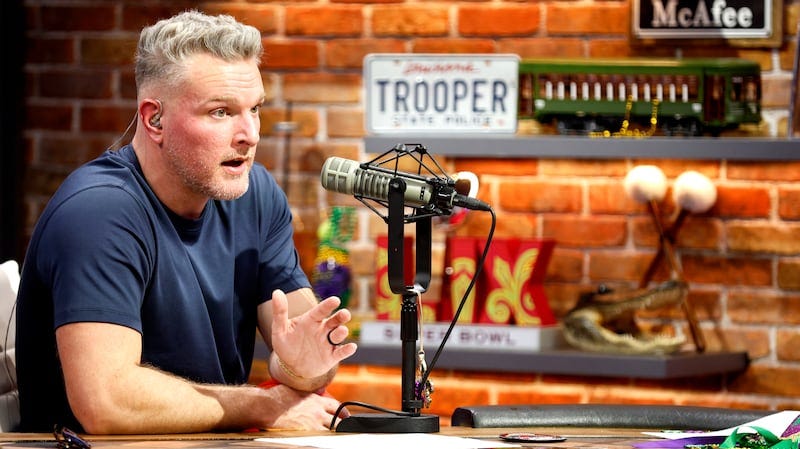
In the US, Pat McAfee turned a desk and a microphone into a five-year, $85 million ESPN arrangement announced in May 2023, with the show license itself reportedly running about $17 million a year because McAfee covers his own production. As of this month, he is negotiating an extension reported to be worth more than $60 million annually, which would make him ESPN’s highest-paid voice. In golf, Bryson DeChambeau built a YouTube channel with roughly 2.7 million subscribers that at times surpassed the PGA Tour’s official account, which had around 1.48 million, and he has said LIV’s lighter schedule gave him the room to do it. FIFA, for its part, named YouTube and TikTok “Preferred Platforms” for 2026 and agreed in March to let broadcasters stream the first ten minutes of every match live on YouTube, with TikTok running an official content hub. The governing body is openly routing attention through channels it does not own.
This is the part the industry keeps fumbling. The winners build creator-first, then add the institution. Cadillac understood it when it hired a creator-focused CMO before it had a car on the grid, an organization designed around the channel that actually holds the audience. Liberty Media made the same read when it bet on culture instead of ratings. Aston Martin made it when it put creators where celebrities used to stand at a car launch. The teams treating content as a revenue engine are building the muscle broadcasters wish they had, which is the whole reason I keep arguing that the broadcast is the least interesting part of the product.
There is a cost nobody at the conferences wants to name. The athlete economy narrows the pie. Cristiano Ronaldo passed a billion cross-platform followers in September 2024, and his “UR · Cristiano” YouTube channel hit a million subscribers in roughly 90 minutes after launch, which is enormous personal leverage and also a gravity well that pulls value toward one man, his agent, and his family office while less reaches the league, the academy, and the development pipeline that produced him in the first place. Even MrBeast, the most-subscribed creator on the planet, admitted in 2025 that his per-video views had slipped from a peak of roughly 200 million toward the mid-50 million, a reminder that individual attention is leverage right up until it leaks. The money pools around a handful of people, and the rest of the system gets the runoff.
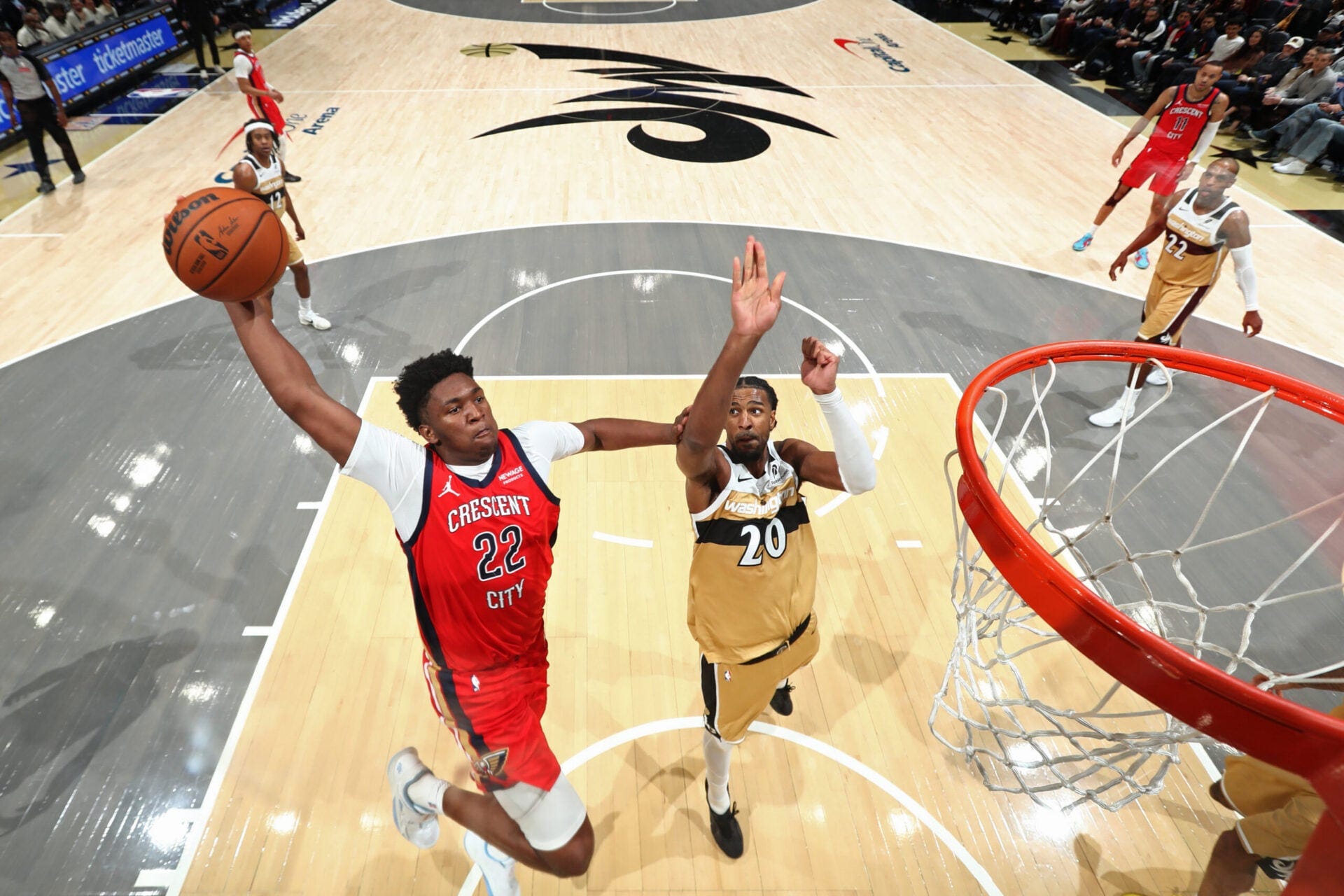
The one body that handled this well did the counterintuitive thing. The NBA treated highlights as free marketing, while the NFL was fining teams up to $100,000 for posting in-game clips under its 2016 policy. The NBA’s audience grew, and in July 2024, it signed an 11-year deal worth roughly $76 billion across Disney, NBC, and Amazon, replacing a nine-year package worth about $24 billion, which is roughly three times the prior annual value. They gave the clips away and got paid more for the rights, and that is what converting attention into revenue actually looks like in practice.
Here is my call, and I am happy to be wrong about the timing.
The next media-rights cycle goes to whoever turns the conversation into revenue. Expect broadcasters to flood their schedules with cheap, opinion-led, creator-style programming on the McAfee model, because the math is too clean to ignore, and it is the only format that competes with what is already winning. And the first rights-holder that hands creators real economics, equity, and shared upside, the kind of deal that goes past rev-share crumbs and an affiliate link, resets the market the way the NBA’s open-highlights bet did.
I think that happens inside the next rights cycle. DAZN hired 48 people to build relationships. Whoever figures out how to let creators own one collects the decade.