


Remaining an independent source of motorsport business is what we strive for. If Business of Speed has given you useful knowledge this year, please consider a subscription.
Someone approved the list.
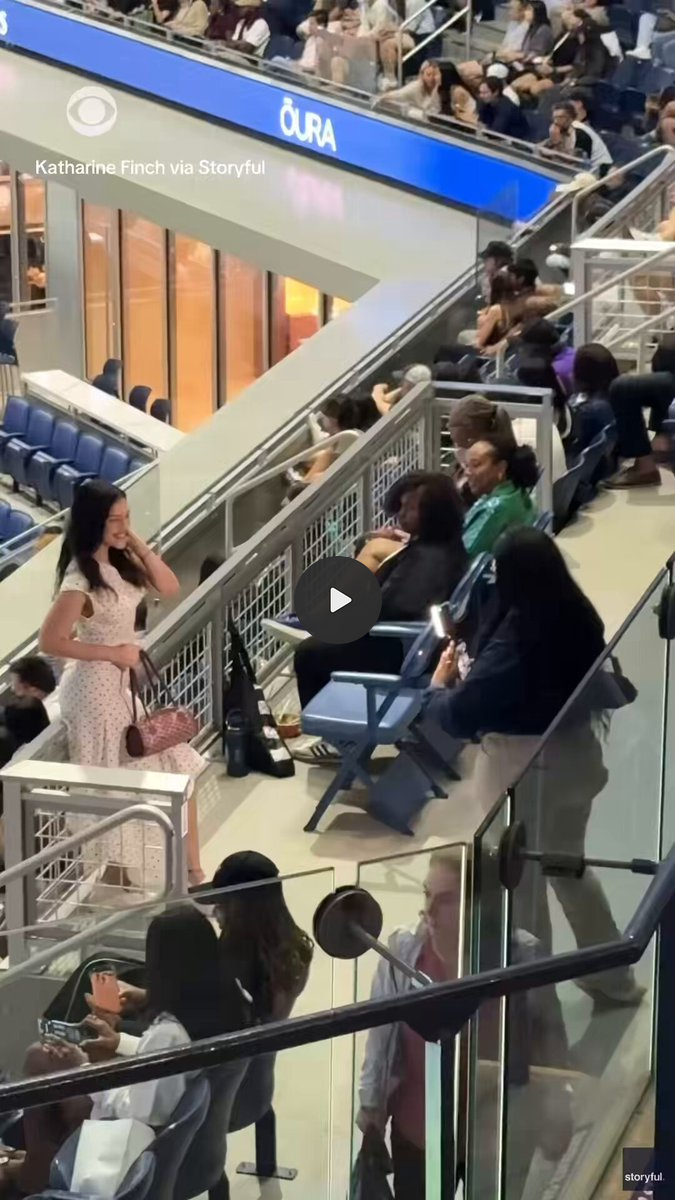
During Naomi Osaka’s first-round match inside Arthur Ashe Stadium at the 2026 US Open, chair umpire Kader Nouni stopped play after people in a hospitality suite moved around and filmed with a bright light while Osaka prepared to serve. A separate ring-light incident followed elsewhere at the tournament. Players, including Coco Gauff and Jessica Pegula, called for clearer etiquette and greater respect for the match, according to the Associated Press.
The United States Tennis Association told Axios that the people who interrupted Osaka’s match didn’t hold official US Open content creator credentials. They still entered a premium suite with cameras and enough access to disrupt a four-time Grand Slam champion. The access system extends beyond the media credential desk. Brands, vendors, agencies, and hospitality hosts all control pieces of it.

At the same tournament, the USTA approved close to 100 official creator credentials, almost twice the 54 issued in 2025. Its stated goal was to reach the “broadest possible spectrum” of audiences. Last year’s creator group generated 5.5 million social engagements, according to Front Office Sports.
The US Open’s owned social channels generated 3.1 billion interactions in 2025, up from 2.3 billion in 2024. The event already had enormous distribution before nearly doubling its creator list.
That number sounds impressive when you’re staring at a recap deck. It tells you little about who paid attention, what they learned, or what they bought.
The US Open has become the latest example of a sports business habit that motorsport already knows well. Properties want creators in the room. Sponsors want proof of relevance. Agencies want large numbers they can place on a slide. The selection process starts with reach, then searches for a reason.
When the resulting content amounts to an outfit check, a credential flex, and a few clips about the vibe, everyone blames the influencer.
Someone approved the list.
Reach ≠ Strategy
The creator economy gave sports properties a practical way to reach people who may never watch a full match or race. That work has value. The mistake comes when reach becomes the entire assignment.
A creator with five million followers may bring five million opportunities for exposure. The same account may bring very few prospective buyers for a Rolex, a premium hospitality package, an enterprise technology contract, or a six-figure sponsorship. Audience size can’t answer questions about age, income, location, interests, trust, or purchase intent.
A view indicates that a screen has loaded. It can’t tell you who was behind it, what that person can afford, or whether they trust the person on screen.
Luxury brands and premium sports properties have spent decades building scarcity, status and aspiration. Formula One sells a global entertainment product, then layers it with expensive tickets, paddock access, corporate hospitality and partnerships aimed at buyers with money and influence. The US Open does similar work through suites, sponsor spaces and a social scene that extends far beyond tennis.
If you’re running one of those businesses, mass awareness can help. You still need to know which commercial job that awareness performs. A teenager watching a creator tour a suite may become a fan. A procurement executive watching a technical creator explain a partner’s role may become a lead. Those outcomes belong to different strategies, time horizons, and budgets.
Collapse them into “engagement,” and you’ve made weak planning easy to defend.
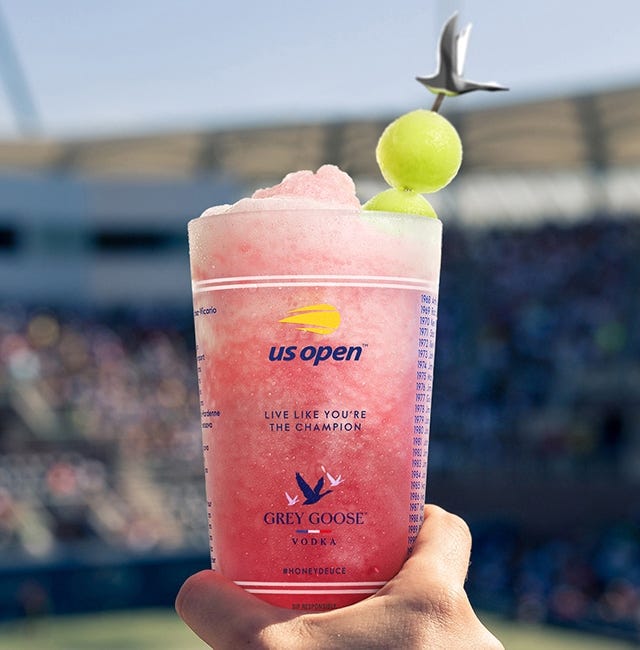
You can see the difference in the USTA’s own results. Grey Goose turned the Honey Deuce into an event ritual built around a product people could buy, photograph, and carry through the grounds. More than 700,000 were sold in 2025 at $23 each, producing about $17 million in revenue, according to Sports Business Journal. The drink generated social content because the product, the audience, and the behavior aligned.
Beyond Follower Counts
Years ago, racing driver and broadcaster Justin Bell saw the same distinction during a Michelin creator event. As he explained on Business of Speed, Jordan Maron, known online as CaptainSparklez, has built a following of roughly 10 million, largely around Minecraft. The video reached hundreds of thousands of people, a small return relative to the creator’s scale. Another attendee, Sean Lee, had roughly 30,000 followers, primarily Japanese car enthusiasts. His audience trusted his judgment about cars and tires. He sold more product.
The smaller account had greater commercial value because its audience fit the job.
We’ve known this for years. Brands continue to pay for scale, hoping relevance will appear later.
I’ve seen the same thinking in motorsport. An organization told me it wanted to reach a more mature audience with the means to buy premium products. Then I saw the creator list. It was full of huge accounts shaped by MrBeast-style entertainment, with young viewers who didn’t match the buyer we’d just described.
I’ve helped brands and racing series build these lists, and I know what happens when the objective stays vague. You end up defending the most recognizable name in the room because it’s easier than explaining why a smaller creator’s audience fits the buyer.
But we should’ve started with the buyer.
Follower count provides an easy answer during a planning meeting. Audience fit requires work. You have to study the creator’s viewers, understand the subject matter, define the desired action, and defend a smaller name to an executive who recognizes the larger one.
Access as Currency
Sports properties don’t always understand what they’re giving away.
A credential, suite invitation, or paddock pass functions as production access. It also carries social status. If you’ve held one, you know the signal it sends. The creator can use the event to create a work and leverage proximity to athletes, celebrities, and restricted spaces to raise personal standing.
When a brand offers access without a meaningful assignment, status becomes the assignment.
The resulting post shows the wristband, the outfit, the free drinks, and the view from the suite. The sport appears as a backdrop because the brief treated it like one. The creator fulfilled the incentive that the host designed.
This dynamic gets worse at properties built around exclusivity. A creator doesn’t need to understand tire strategy, serve placement, or sponsorship economics to recognize that a paddock or courtside suite signals importance. If the host asks for only a few posts, the easiest content will center on the creator’s presence.
Brands then complain that they didn’t get depth.
Depth requires selection and preparation. A book creator could ask players what they read on tour, build a tournament reading list, and give guests books matched to their interests. A food creator could work a shift with the event’s culinary team and show what it takes to feed tens of thousands of fans. A motorsport creator could learn how a pit wall makes decisions, how a tire partner supports a race weekend, or how a sponsor turns hospitality into sales meetings.
Each idea gives the creator room to create. Each also gives the access a job.
Carte Blanche is Lazy
Brands often describe a loose brief as creative freedom. Real creative freedom needs a clear commercial boundary.
If you’re the brand, you own the objective, audience, assignment, access, and rules. If you’re the creator, you own the execution. A useful brief can fit on one page.
Etiquette belongs in that document. Remain seated during points. Move during changeovers. Keep flashes and production lights off. Don’t block a paying guest’s view. Silence the phone. Respect restricted areas. These instructions now appear in creator guidance circulated at the US Open because hosts learned that familiarity with social media doesn’t equate to familiarity with tennis.
The same standard applies in racing. If you’re inviting a first-time paddock guest, you can’t assume they know when a garage is open, where cameras are prohibited, how grid access works, or why a team needs clear space during a live session. Explain it before arrival. Build the rules into the agreement. Give an on-site contact enough authority to enforce them.
Once you’ve stated the assignment and conduct clearly, responsibility shifts. A creator who ignores those terms owns the behavior. If they don’t like the rules, they can decline the invitation.
Many brands never reach that point. They choose the largest available account, offer access, request vague deliverables, and call the absence of direction authenticity. The creator arrives ready to document a free trip because that is what the deal resembles.
Motorsport isn’t Immune
I’ve had a version of this conversation in the media center at the Rolex 24 at Daytona International Speedway and at a luxury hospitality suite at the F1 Miami Grand Prix earlier this year. Racing series are embracing creator access, and many of the same tensions have started to surface.
I’ve been on both sides of that access. I’ve applied for media credentials as a publisher, and I’ve worked with sponsors controlling commercial inventory.
And yet, every Formula One weekend, fans can’t understand why influencers enter the paddock while committed fans remain outside.
That complaint mixes three separate systems into one argument: media accreditation, sponsor access and hospitality. A reporter receives a credential to cover the event. A sponsor buys contractual rights that may include paddock passes, hospitality inventory and exclusive experiences. Teams and brands use those assets to host clients, reward customers, build relationships and produce marketing campaigns.
A creator invited through sponsor inventory often enters as a marketing guest. Their audience and the communities they can reach are the commercial asset. Deep knowledge of the sport may have little to do with that particular assignment. The invitation can still make sense when the audience fits the objective, and the host manages the access properly.
For example, two of my friends Esme of The Paddock Journal and Stephanie of The Grand Prix Life were brought in by Peroni Nastro Azzurro to cover the Italian Grand Prix. Both of their publications lean heavily on Formula One fashion and lifestyle. So naturally, their content was there to show it off and break it down. (They did a phenomenal job, btw)
Each route has its own gatekeeper. The series controls media accreditation. Sponsors control the commercial allocations they’ve purchased. Hospitality hosts control their guest lists. If you’re working in motorsport, you need different expectations for each type of access. Putting every person with a phone and a paddock pass into the media bucket doesn’t help anyone.
Wimbledon’s decision concerns media accreditation, leaving sponsor and hospitality access as separate questions. Motorsport should use the same framework to define what counts as media, what falls under marketing, and what falls under a commercial agreement. Press credentials should support editorial work. Creator campaigns need a brief and a measurable outcome. Hospitality guests need clear conduct rules.
When you see someone inside the paddock, it’s easy to assume every pass means the same thing. The business arrangement behind that access can be completely different.
Motorsport wants younger fans, broader culture and new distribution. Creator programs can help with all three. The commercial danger arises when a series recruits a broad general-interest audience while promising partners a mature, affluent, and purchase-ready one.
Those audiences can overlap. We still have to prove the connection.
Formula One teams and sponsors have better models available. Apple’s F1 coverage used different people for different forms of expertise, pairing track analysis, technical explanation, and fan-facing storytelling with creators and personalities suited to each job. Cadillac’s decision to hire a creator-focused chief marketing officer also reflects how seriously teams now treat direct audience relationships.
The next step is discipline. If you’re selecting the creators, connect each invitation to a defined audience and a defined business outcome. A large account may be the right choice for broad awareness. A smaller technical voice may be better for credibility. A business creator may help a sponsor reach prospective customers. A local food account may sell hospitality or shape the experience around a race weekend.
The job determines the creator.
“Limitations Breed Creativity”
This is a line I always tell my clients.
It’s often thought that creatives don’t like limits or guidelines. On the contrary. Give creatives a set of guidelines, and a good creator will maximize creativity.
If you’re responsible for a sports property, your creator invitations need tighter commercial logic. Before the next list gets approved, the property and its partners should answer six questions:
Which buyer or fan are you trying to reach?
What action or change in perception do you want?
Does this creator already have credibility with your audience?
What can this creator produce here that they can’t make from home?
Which behavioral rules will you attach to the access?
Which result will matter to you after the engagement report arrives?
These questions will remove some famous names from your list. You might have to defend a smaller name to the room. Recognition inside that room doesn’t guarantee influence with the customer.
If you control the guest list, access, the brief, and measurement, you own the outcome. You’ve built an incentive system that rewards creators for showing where they are instead of explaining why anyone should care. You can rebuild it around expertise, audience fit, and work that serves a commercial purpose. If you’re signing off on the list, you don’t get to blame the platform afterward.
Every credential should come with a job. Remember, someone approves the list.
Business of Speed covers the business, technology, and lifestyle of racing: Formula 1, IndyCar, IMSA, WEC, NASCAR, and more. From Vincenzo Landino, entrepreneur and creator, featured in Bloomberg, TBPN, Yahoo! Finance, Forbes, Adweek, and Front Office Sports. You can find us on Instagram, Substack, and LinkedIn.