

We strive to remain an independent source of motorsport business. If Business of Speed has provided you with useful insights this year, please consider subscribing.
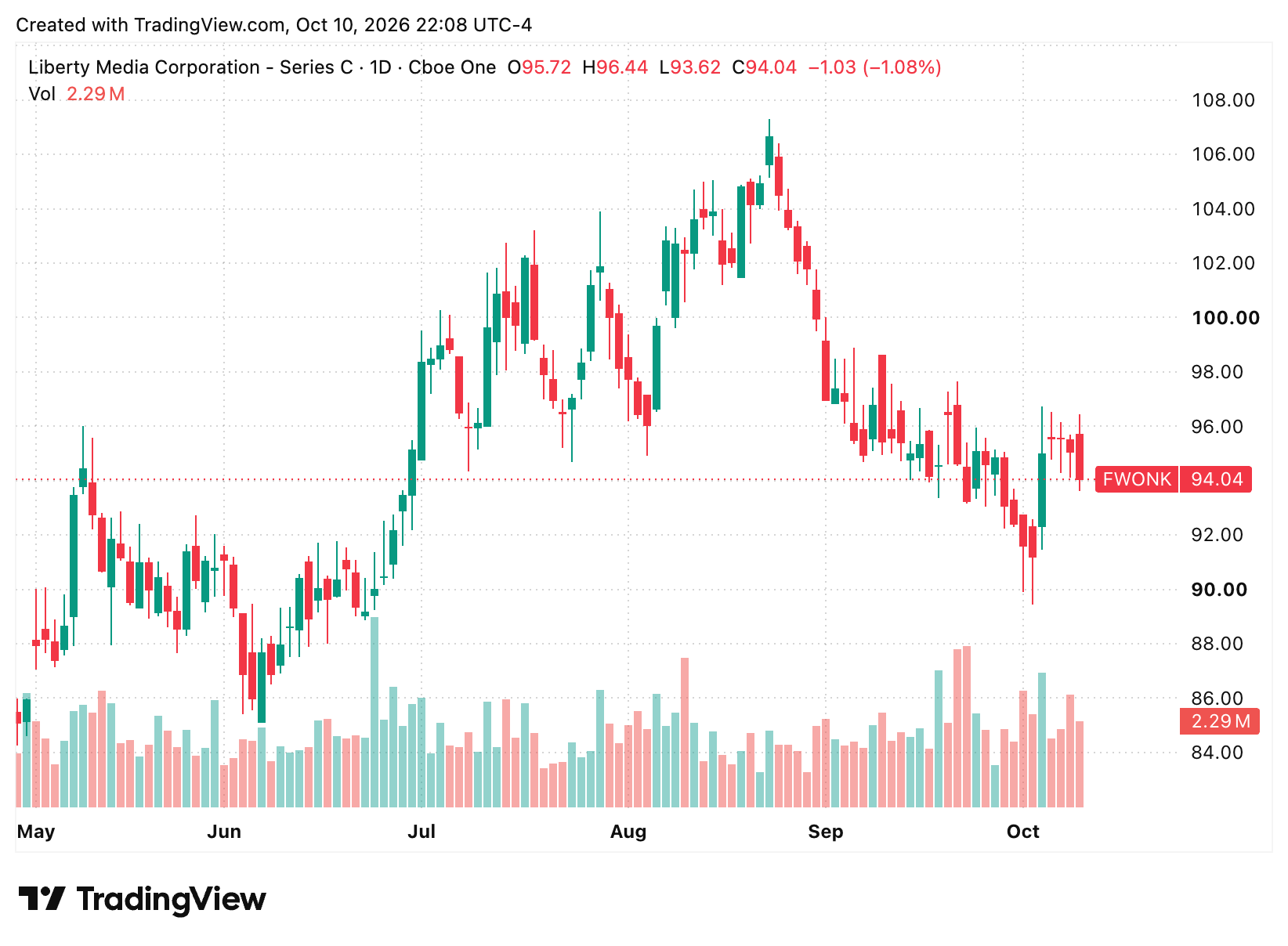
Liberty Formula One Group stock (FWONK) closed at $95.00 on October 5, up 4.2% on the day, after trading higher intraday. The move came in the first full U.S. trading session after Stefano Domenicali reaffirmed the calendar, with the Qatar Grand Prix on November 29 and the Abu Dhabi Grand Prix on December 6, conditional on security assurances.
At Sepang on October 3, he called it “the direction we’ve taken based on the information and reassurances we have, and which we absolutely must have.” He also said Abu Dhabi was 99% sold. Teams expect a final call by mid-October, with Imola on standby, SportsBusiness Journal reported.
Anthony Berni at Jefferies kept a Buy rating and a $115 price target the same day. He called the management commentary a notable positive after investor worry about geopolitical risk, said it should also support sentiment toward the first-quarter 2027 Bahrain and Saudi Arabian races, and said Middle East races generate some of the highest promotion fees on the calendar.
Race promotion revenue depends on those Gulf weekends staying on the calendar. Max Verstappen said during the week he would rather not finish the season in Qatar and Abu Dhabi while a war sits nearby. Investors were relieved the Middle East races stayed on the calendar, and that relief is what moved the stock.
Malaysia Wants In
Malaysia sits on the other side of the same fee question.
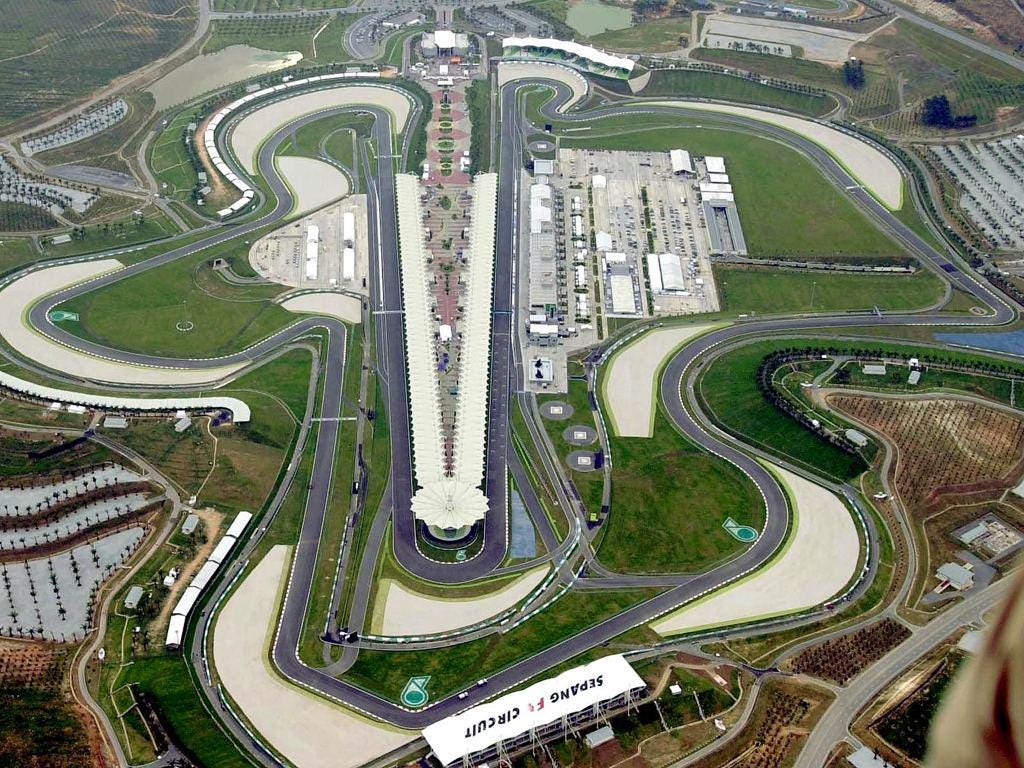
Prime Minister Anwar Ibrahim said he met Domenicali before the October 4 race and discussed bringing the Malaysian Grand Prix back as a permanent fixture. He said the Cabinet will discuss it, the proposal is early, and it will take time because of the crowded calendar and existing host contracts.
Sepang International Circuit chief executive Azhan Shafriman Hanif has estimated that a permanent calendar slot would cost at least RM300 million a year, about $73 million. FIA president Mohammed Ben Sulayem told a media roundtable that Malaysia needs a business plan covering at least five years and said Formula 1 Management is open to the idea.
Business of Speed covered the Sepang one-off on October 2: Bahrain paid the hosting fee and kept ticket revenue, while Malaysia supplied the track and local operations. That weekend drew a record 261,000 spectators at Sepang, above the previous circuit mark of 126,690 in 2008. It still left the permanent-fee question unanswered.
In 2025, then-sports minister Hannah Yeoh set the annual hosting fee at around $73 million, with a three-to-five-year contract potentially costing $220 million to $367 million. The SIC estimate now on the table matches that scale.
The Gulf races show what those fees are worth when investors think they might disappear. Malaysia shows what a country has to pay to buy back onto the same calendar after leaving on cost in 2017.
The open question for early 2027 is whether Bahrain and Saudi Arabia open the season as published, or whether calendar risk returns to the first quarter.
Business of Speed covers the business, technology, and lifestyle of racing: Formula 1, IndyCar, IMSA, WEC, NASCAR, and more. From Vincenzo Landino, entrepreneur and creator, featured in Bloomberg, TBPN, Yahoo! Finance, Forbes, Adweek, and Front Office Sports. You can find us on Instagram, Substack, and LinkedIn.