

Subscriber overload is real. Most of us are probably maxed out on the 3-4 subscriptions we can afford (me included). After reading about Michelle Songy’s $1 experiment, I decided to give it a shot. One week only, $1 subscriptions for life.
Accessibility and marketing. They are the same thing until someone has to give something up.
Netflix, TikTok, and a Brad Pitt film that grossed $629 million. The fanbase hit 830 million, with 42% women and 43% under 35. Social followers passed 125 million, up 19%. Over eleven races, the sport drew 3.7 million people, up from 3.4 million at the same rounds last year; every weekend sold out; six attendance records broken. None of it required charging anybody less. That is marketing, done about as well as it can be done.
But it gets confused with accessibility. You see, “accessibility” is the word the fans want to hear. No one wants to think they’re just being marketed to.
The figure in circulation is $554, the average three-day ticket across the 2026 calendar, calculated by GP Destinations as the mean of general admission, cheapest grandstand, and main grandstand at each race. Last year, the same method returned $488. General admission alone increased from $232 to $275, an 18.5% increase.
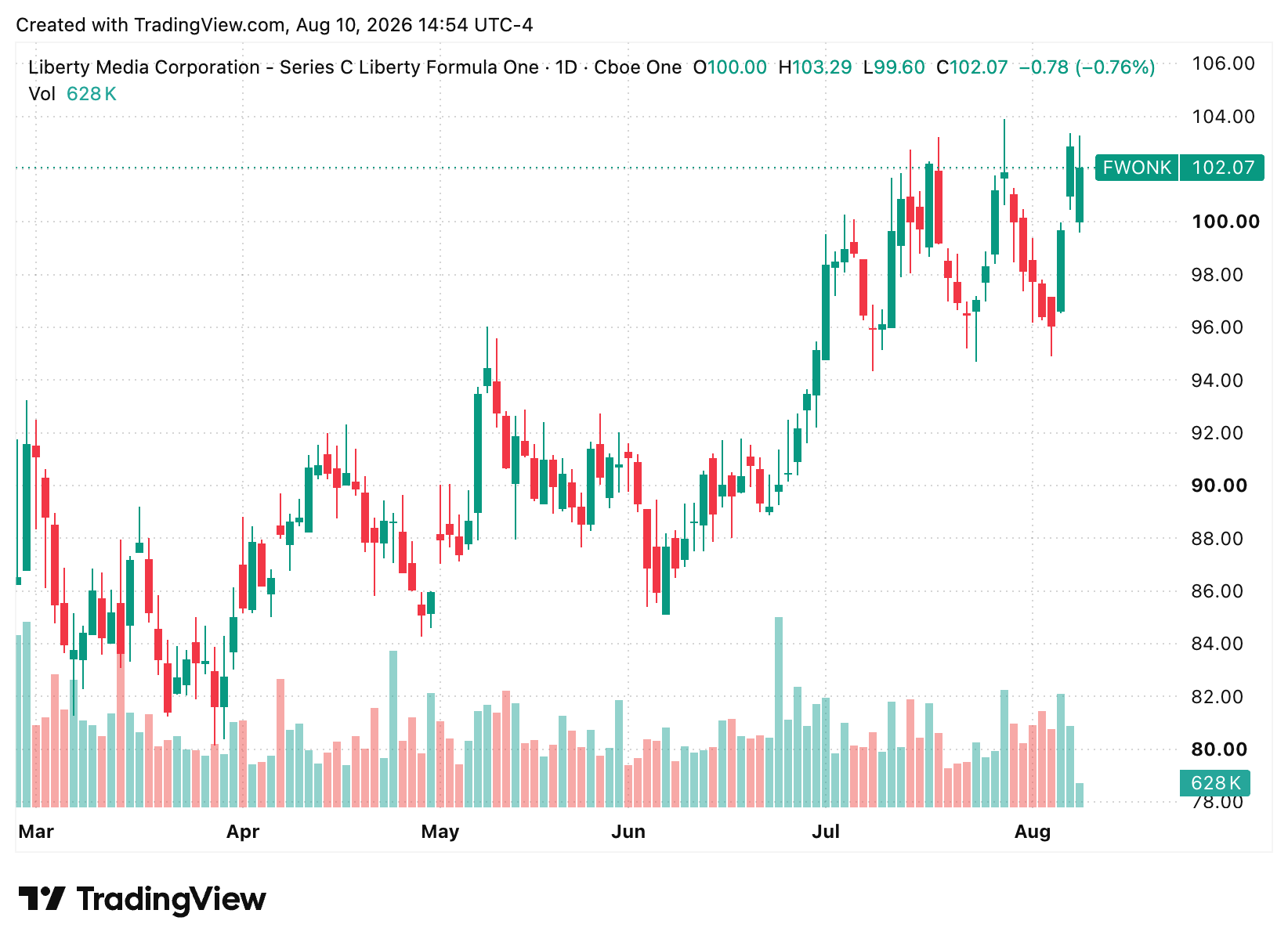
On 27 February 2025, Derek Chang told analysts the 2024 Las Vegas race "missed internal expectations on revenue and OIBDA" and that "we are making further revisions to the ticket product and pricing strategy." Twelve days later, Emily Prazer cut Thursday entry from $150 to $50 and the three-day pass from $600 to $400, dedicating the race to "making the Las Vegas Grand Prix more accessible to a wider audience." She was more useful with The Race the same day: "we've kind of flipped the model somewhat, where we've been lowering the prices closer to the race."
Where does accessibility come in?
Matthew Barry at Heart of a Fan asked me this week where I draw the line between F1 becoming more accessible and F1 just becoming more marketable, and whether those are the same thing to me. Two sides of one coin, until someone has to give something up.
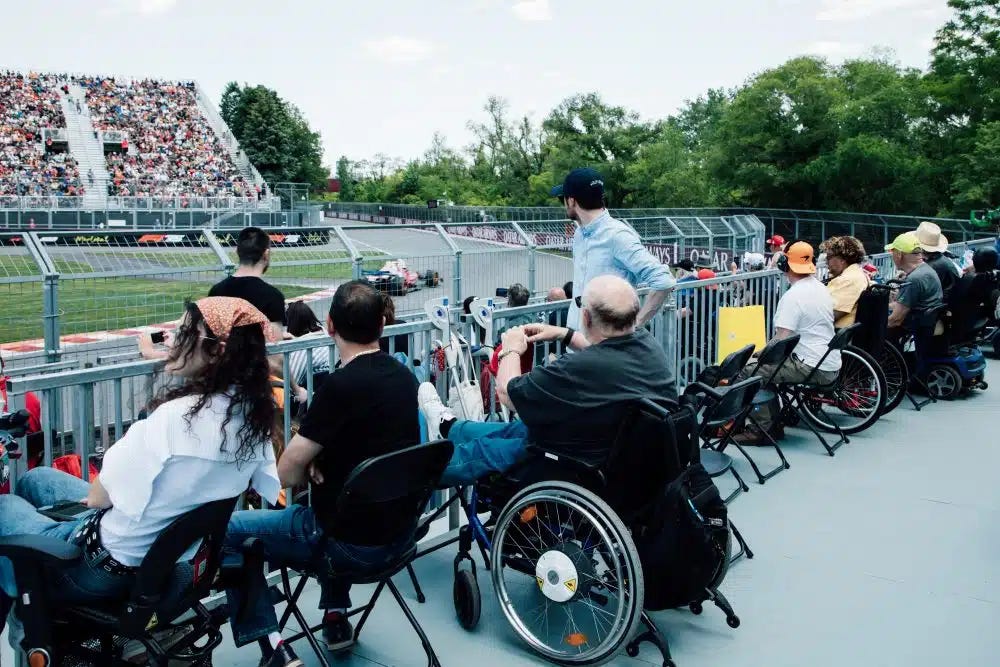
The World Health Organization got there first, when it stopped calling disability an attribute of a person and started calling it a mismatch between what someone needs and what an organization offers. Accept that framing and exclusion are design decisions made on purpose.
I read six trade guides on accessible marketing while writing this. They share one thread: build it in, do not bolt it on. Accessibility in marketing means it is designed so nobody gets shut out. Price never enters the definition.
The commercial case is the part nobody runs the numbers on. One in five UK consumers has a disability, carrying £274 billion in annual spending power. Working-age Americans with disabilities held $21 billion in discretionary income. Braille Works finds that 92% of consumers prefer a business that is accessible, and 70% of disabilities are not visible, which means you are already selling to these people and mostly not noticing. Bert Floyd, who runs assistive technology at TD Bank, puts the cost of ignoring it better than any agency deck: “If you don’t design for accessibility, it’s like saying to every fifth person who walks in your door, ‘I don’t really want your business.’”
So there are two plays available here. Premium runs on scarcity, and not everyone is the product. Accessible runs on reach; you find the barrier, you remove it, and it stays removed because somebody designed it that way.
Formula 1 is caught at a crossroads thanks to amazing growth.
Right now, they seem to be running the premium play and running it well. Paddock Club is allocated to the teams through 2028; Monaco added a third floor; House 44 goes from nine locations to thirteen. Scarcity is why LVMH writes the cheque, and nobody should apologize for a strategy that works.
The real accessibility work is being done by other people.
The Red Bull Ring offers audio description for blind visitors and live text of the track announcer in its app. Melbourne is putting closed captions on every super-screen from 2027. Monza runs a free wheelchair-accessible grandstand. Every one of those is a promoter decision, all of them different, with no series-wide standard behind any of them. And the best accessibility product in motorsport this year came from Formula E, which built AI-generated audio race reports in 15 languages with Google Cloud and the Royal National Institute of Blind People, tested with blind fans before being put into use.
That is what the word means when someone means it. A discipline, with practitioners, standards, and a charity in the room.
Yes, F1 and motorsport can be more accessible. Yes, they can also become more marketable. But there’s a point where trade-offs will have to be made, and the consumer decides where their money goes.
Business of Speed covers the business, technology, and lifestyle of racing: Formula 1, IndyCar, IMSA, WEC, NASCAR and more. From Vincenzo Landino, entrepreneur and creator featured in Bloomberg, TBPN, Yahoo! Finance, Forbes, Adweek, and Front Office Sports. You can find us on Instagram, Substack, and LinkedIn.


