


Every Monday, we publish a series called CAPITAL MOVES, a look into the off-track investments of individuals involved in the world of racing. Be sure to check out previous editions.
George Bernard Shaw once wrote that the reasonable man adapts himself to the world, while the unreasonable one persists in trying to adapt the world to himself. “Therefore,” Shaw concluded, “all progress depends on the unreasonable man.”
Zak Brown has never been reasonable.
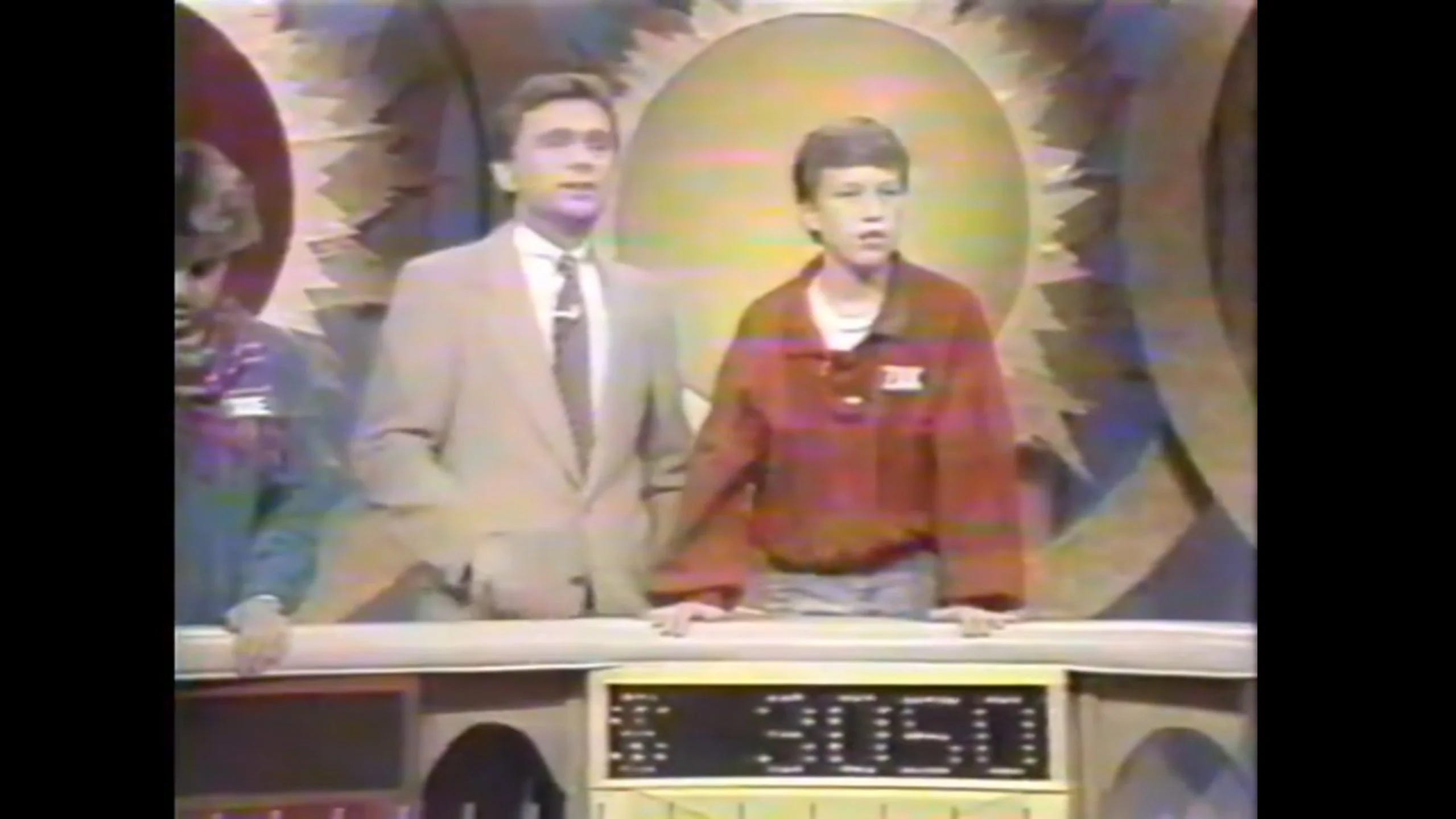
In 1984, a thirteen-year-old from the San Fernando Valley appeared on Wheel of Fortune during Teen Week and won a pair of Cartier watches. He walked out of the studio, drove to a pawn shop in Van Nuys, sold them for $3,050, and used the money to buy a go-kart. “It wasn’t part of any sort of master plan,” he has said. “It’s just how it all unfolded. I’m probably safe to say, the only person in racing that has a résumé that starts with Wheel of Fortune.”
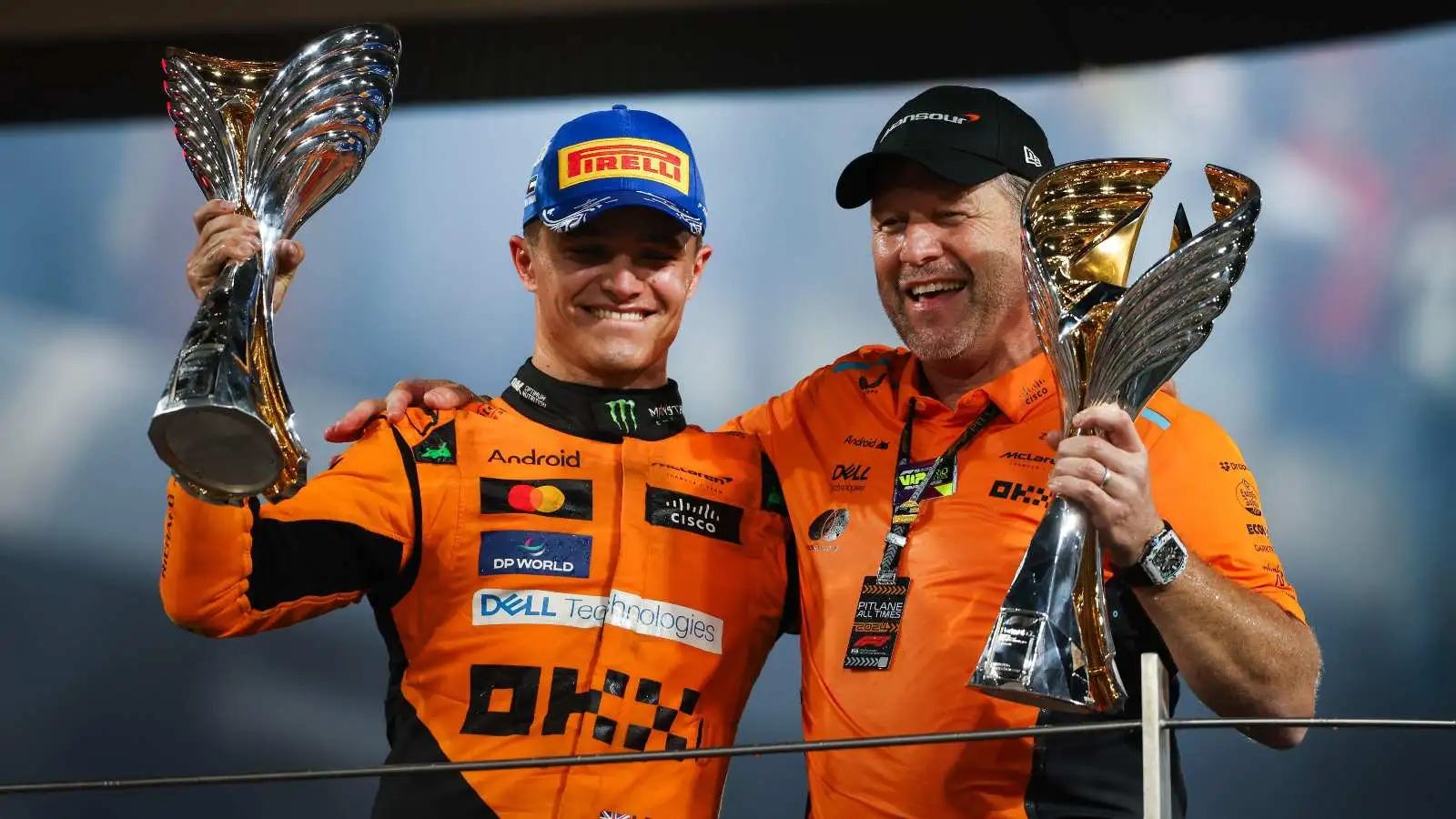
Forty years later, Brown runs McLaren Racing. The team is the reigning back-to-back Formula 1 Constructors’ Champion and is valued at approximately $5 billion, a six-fold increase from the $718 million Brown inherited in 2020. Only Ferrari and Mercedes price higher on the grid.
Three things got him there, none of which a reasonable person would attempt in sequence. He raced professionally for a decade without family money or a racing pedigree. He built the world’s largest motorsport marketing agency from a single airline client. Then, with no ownership stake, no technical background, and no guarantee of success, he walked into the worst team in McLaren’s history and turned it into a championship operation.
San Fernando Valley
Zakary Challen Brown was born on November 7, 1971. He grew up in the San Fernando Valley, the suburban sprawl inland of Los Angeles. His first love was baseball. He wanted to be a professional ballplayer, and in the working-class Valley of the 1970s, that was as reasonable a dream as any.
School was another matter. “I was not a good student,” he has said. “I didn’t go, and then when I did go, I got in trouble, a lot of fighting.” It ended definitively when he broke his school president’s jaw in a fight. That was what finally got him thrown out. He had no diploma, no direction, and no family background in motorsport.
The racing obsession arrived in stages. His father took him to local races. In 1981, the family attended the Long Beach Formula 1 Grand Prix, and Brown fell in love with the sound and the speed. Three years later, the producers of Wheel of Fortune arrived at his school looking for contestants for Teen Week. It was one of the rare days Brown was actually in class. He made the cut, got on the show, won two rounds, and walked out with a pair of Cartier watches.
He drove to a pawn shop in Van Nuys, sold them for $3,050, and used the money to buy his first go-kart. He was thirteen years old. It was the best investment he never planned to make.
Brown began competing in karting in 1986, winning 22 races across five seasons and three IKF championships. In 1987, already a karter with ambitions beyond California, he returned to Long Beach through a friend whose family had connections in the sport. He briefly met Mario Andretti, who had just won the race from pole in his Newman/Haas Lola. Brown asked him about going professional. Whatever Andretti told him, it stuck.
By 1991, Brown had moved to Europe alone, aged nineteen, with little money, no family ties to the sport, and no plan beyond the belief that he was fast enough to make it. That belief would outlast the evidence for it by roughly a decade.
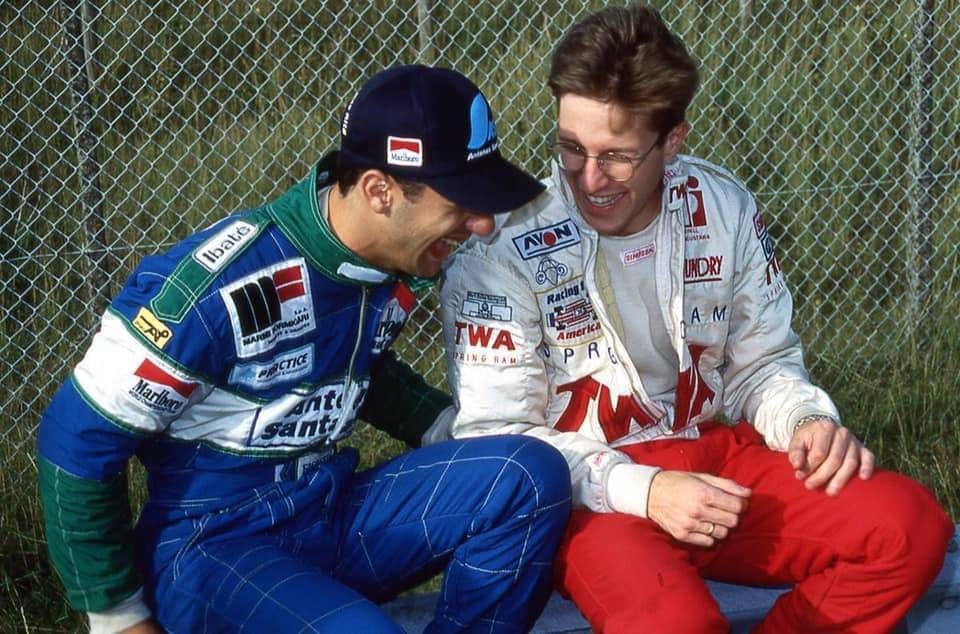
He won his first Formula Ford 1600 race at Donington Park in the rain, starting sixth in a 60-car field. He competed in Formula Opel-Lotus Benelux, British Formula Three, Indy Lights, German Formula Three, and, in 1997, the 24 Hours of Daytona and the 12 Hours of Sebring in the GT2 class, finishing second in class at both. He was competent at the wheel and never more than that.
At one point, while his team folded beneath him in England, he slept on an air mattress on the living room floor of Richard Dean’s sister in Sheffield, South Yorkshire. Richard Dean was a fellow racing driver who would later become his business partner and co-founder of United Autosports. He paid about $62 a week in rent. A Californian boy in a cold Northern English city, refusing to go home. “I’ve never been a quitter,” he later said. In 1992, his mother gave him her annual salary, $30,000, to keep him going.
It was not enough.
Accepting the reality about his driving would take years. The compensation, across those years of threadbare rides and serial disappointments, was something more valuable. Brown was building an intimate, networked understanding of how the commercial infrastructure of motorsport actually worked and who paid for it.
Just Marketing
The idea for JMI came from a sponsor while Brown was still racing. His European career had been funded by Trans World Airlines, and when he decided to return to the United States to chase IndyCar, his TWA contact asked if he could help them develop marketing connections stateside. It occurred to Brown that other corporations had the same problem. They wanted to get into motorsport but did not know how to navigate it. “My sponsor wanted to know what I would call my company,” he recalled. “I told them it was just a marketing company, just marketing.” The name stuck.
Just Marketing International launched in Indianapolis in 1995 with one client, TWA, and one insight nobody had yet fully exploited. The most valuable position in motorsport sat between the brands that wanted exposure and the teams that needed money. Brown kept racing in parallel, competing through 1997 at Daytona and Sebring. The business grew faster than the driving career. By around 2000, he knew he would not make it as a professional driver and took a full sabbatical from racing to focus on JMI.
What he had really built across all those cockpit years was a Rolodex.
Brown did things differently. Every other agency represented racing teams and sought sponsors for them. Brown flipped the orientation. He represented the sponsors and taught them how to use motorsport intelligently.
The deals that followed were landmarks of the era. In 2005, JMI brokered the Crown Royal whisky sponsorship of NASCAR, the first spirits brand to enter the sport in more than 40 years, after a decades-long ban. In 2008, LG entered Formula 1 through JMI. In 2010, UBS signed a $250 million global partnership with Formula 1, one of the largest sponsorship deals in motorsport history, brokered by Brown. Subway, UPS, Verizon, DeWalt, and Johnnie Walker at McLaren. The portfolio read like a who’s who of global brands.
By 2012, JMI had approximately 135 employees, offices in London, Singapore, and Hong Kong, revenue of $40.8 million, and EBITDA of $7.7 million. It had appeared five times in Inc. magazine’s list of the 500 fastest-growing private companies in the United States. By then, Spire Capital Partners held 60 percent, WPP held 20 percent, and Brown held the remaining 20 percent.
In October 2013, Chime Communications acquired JMI for $76 million. Brown’s 20 percent stake returned approximately $15.2 million personally. He became CEO of CSM Sport & Entertainment, Chime’s sports division. He had built a business from a single airline client into the dominant global force in motorsport sponsorship and sold it.
He was 41 and had not yet started on the company he would actually become known for.
The Worst Year in McLaren History
Brown arrived at McLaren in November 2016 as Executive Director of McLaren Technology Group. By his own description, what he found when he got there was “chaos.”
McLaren was in the grip of a bitter boardroom battle. Ron Dennis, the man who had built the team into a dynasty, was being forced out by his fellow shareholders. Among them was Mansour Ojjeh, the late Franco-Saudi businessman who, as CEO of TAG Group, had co-owned McLaren since 1984 and helped finance the Porsche engines that powered the team during its first championship era.
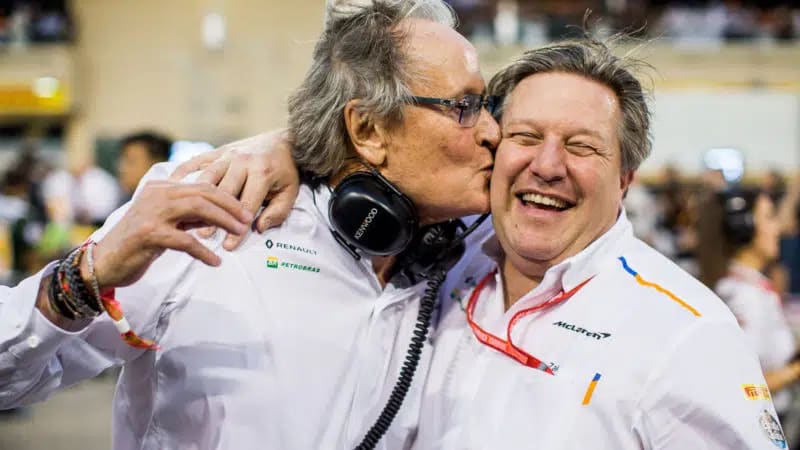
Ojjeh called Brown personally and told him he was not getting off the phone until they had a deal. Brown had been weighing a parallel offer from Liberty Media’s incoming Formula 1 operation, a powerful role but a corporate one. McLaren offered something different. “When the five lights went out on the startline gantry, Bernie always went home,” Brown said of the choice. “When those lights go out now, I’m on the pitwall.” The racer chose.
He joined during the ownership transition, initially as Executive Director while the structure settled around Dennis’s formal departure in early 2017. Once the dust cleared, Brown became CEO of McLaren Racing in April 2018, the undisputed leader of a team he had been handed by shareholders who believed in him when it was not obvious anyone should.
McLaren had just finished ninth in the constructors’ championship with 27 points, its worst result since 1980. The Honda partnership, rekindled with enormous optimism in 2015, had produced three years of mechanical humiliation, including Fernando Alonso’s infamous “GP2 engine” radio message at Suzuka. Sponsorship had collapsed. Morale had collapsed. “Our corporate partnerships were at a record low,” Brown said. “Our morale was at a record low. Our fans were pretty upset with us.” Staff had been offered 25-pence (32-cent) Cadbury Freddo chocolate bars instead of bonuses. The team was losing more than $129 million per year. “There was a lot of blame, a lot of conspiracy theories, and a lack of trust,” he told GRR. “Other than that, the place was great.”
Brown had no technical background. He was not going to redesign the car. What he did instead was what he knew how to do. He went after the commercial side first. “If I could bring in great corporate partners, that would let us invest in our people, our infrastructure, and our team,” he said. He inverted the conventional model, where teams won races first, and sponsors followed, and ran it in reverse.
Get the sponsors. Use the money to hire the engineers. Win the races. “Zak flipped the model and said, ‘Let’s go be really visible, get sponsors and treat them really well, and we’ll use that money to reinvest in engineering and people, and we’ll win races,’” said Ricky Paugh of 1440Sports. By the end of 2019, two years after McLaren’s historic low, the team had its first podium since 2014, with Carlos Sainz finishing third in Brazil.
The Ninth Inning
The COVID-19 pandemic wiped out McLaren Automotive’s road car revenue in 2020. The crisis rippled through the racing division. Costs for the 2021 season had already been committed. Revenue had evaporated. “Closing Abu Dhabi ‘20, we were definitely on the brink,” Brown told journalists. “We were paying all our bills, but we were months away, not several months. We knew we could make it through the year, but without a cash injection, we would have been at risk of not starting the next one.”
Brown cut more than 1,000 jobs. He sold the Norman Foster-designed McLaren Technology Centre, the iconic semicircular glass headquarters in Woking that Ron Dennis had commissioned in the late 1990s, to Global Net Lease for $234 million on a 20-year leaseback. He secured an emergency loan from the National Bank of Bahrain.
He also kept the team’s deteriorating finances hidden from his own engineers so they could keep working. “I needed to protect the team from them being aware so everyone could remain in the very positive, energetic spirits they were bringing,” he said. “It wasn’t a comfortable place at all.”
The lifeline arrived on the day of the 2020 Abu Dhabi Grand Prix, the final race of the season. MSP Sports Capital, an American sports investment group, acquired a 15 percent stake in McLaren Racing, rising to 33 percent by the end of 2022, for $236 million. The transaction valued McLaren Racing at $718 million. “I could put my head on a pillow at night knowing they’ll back us up if they have to,” Brown said. “But it was going to be the ninth inning, to use a baseball term, before they brought in the relief pitcher.”
The $5 Billion Rebuild
The turnaround from survival to supremacy took four years. In 2021, McLaren ended a nine-year winless streak of 170 races when Daniel Ricciardo won at Monza. Brown celebrated by getting his first tattoo of the circuit outline on his arm, and he had famously hated needles his entire life.
In 2023, the team turned a $38 million operating profit on $536 million in revenue, a swing of roughly $90 million from the Honda-era losses. In 2024, McLaren won the Constructors’ Championship for the first time since 1998. The 26-year gap was the longest in the team’s history.
In 2025, they did it again. Lando Norris won the drivers’ title. Oscar Piastri finished second, a driver Brown had audaciously poached from Alpine in 2022 after Alpine publicly announced him as their 2023 driver, only for Piastri to immediately post on social media that he had not signed any such contract. McLaren started the season by winning 12 of the first 15 Grands Prix (14 total wins for the year), clinching the constructors’ title with six rounds remaining and equalling the record for the earliest championship victory in history. It was McLaren’s first back-to-back title since 1990 and 1991, a gap of 33 years.
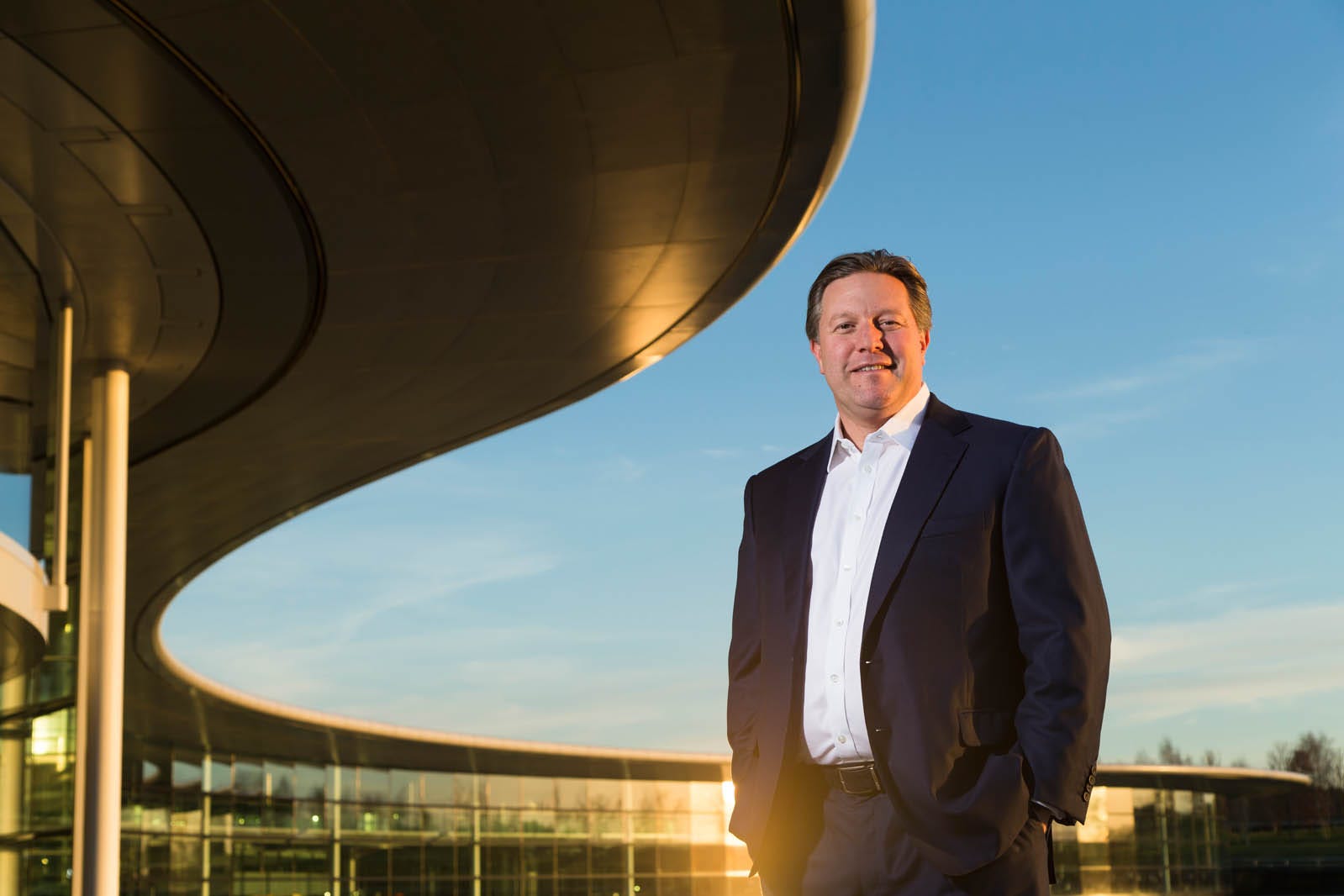
Brown’s ambition extended beyond Formula 1. In 2020, he brought McLaren back to IndyCar, the series he had moved back to America to chase as a young driver in the mid 1990s, partnering with Arrow Schmidt Peterson Motorsports to form Arrow McLaren SP. McLaren took majority ownership in 2021 and sole ownership in January 2025. He committed $30 million to the brand-new McLaren Racing Center in Indianapolis, nearly tripling the team’s operational footprint. In 2025, Pato O’Ward finished second in the IndyCar championship, the best points finish for a McLaren-entered driver since Johnny Rutherford finished second in the 1976 season. Brown holds no equity in that operation either. He built it, runs it, and chairs it on someone else’s money.
The commercial engine Brown built has been delivered in parallel. By 2023, McLaren had 48 active sponsorship partners generating more than $148 million in annual sponsorship revenue, with OKX, the team’s primary partner, paying approximately $25 million per year. Total revenue for 2024 reached $678 million, generating a post-tax profit of $69 million, from a team that five years earlier had been weeks from missing payroll. In late 2025, Brown announced Mastercard as McLaren’s naming rights partner from 2026 at a reported $100 million per year, ending more than a decade without a title sponsor. His own 2024 compensation, confirmed in McLaren’s filed accounts, was $47.7 million. That makes him the highest-paid non-driver executive in the sport.
In September 2025, MSP Sports Capital sold its stake back to McLaren’s majority owners, Mumtalakat (Bahrain’s sovereign wealth fund) and CYVN Holdings of Abu Dhabi, in a transaction that valued McLaren Racing at $5 billion. MSP’s exit represented a 10x return on its 2020 investment. Sportico described it as the biggest sports team exit ever for an institutional fund. Brown, who holds no equity in the team, had taken a $718 million asset to a $5 billion one in five years, driven solely by performance, culture, and commercial execution.
“A simplified ownership structure gives us clarity and strength moving forward,” he said when the deal was announced. Asked how long he intends to stay at McLaren, his answer was succinct. “I’d sign a contract tomorrow to be here until 2040.”
The Bottom Line
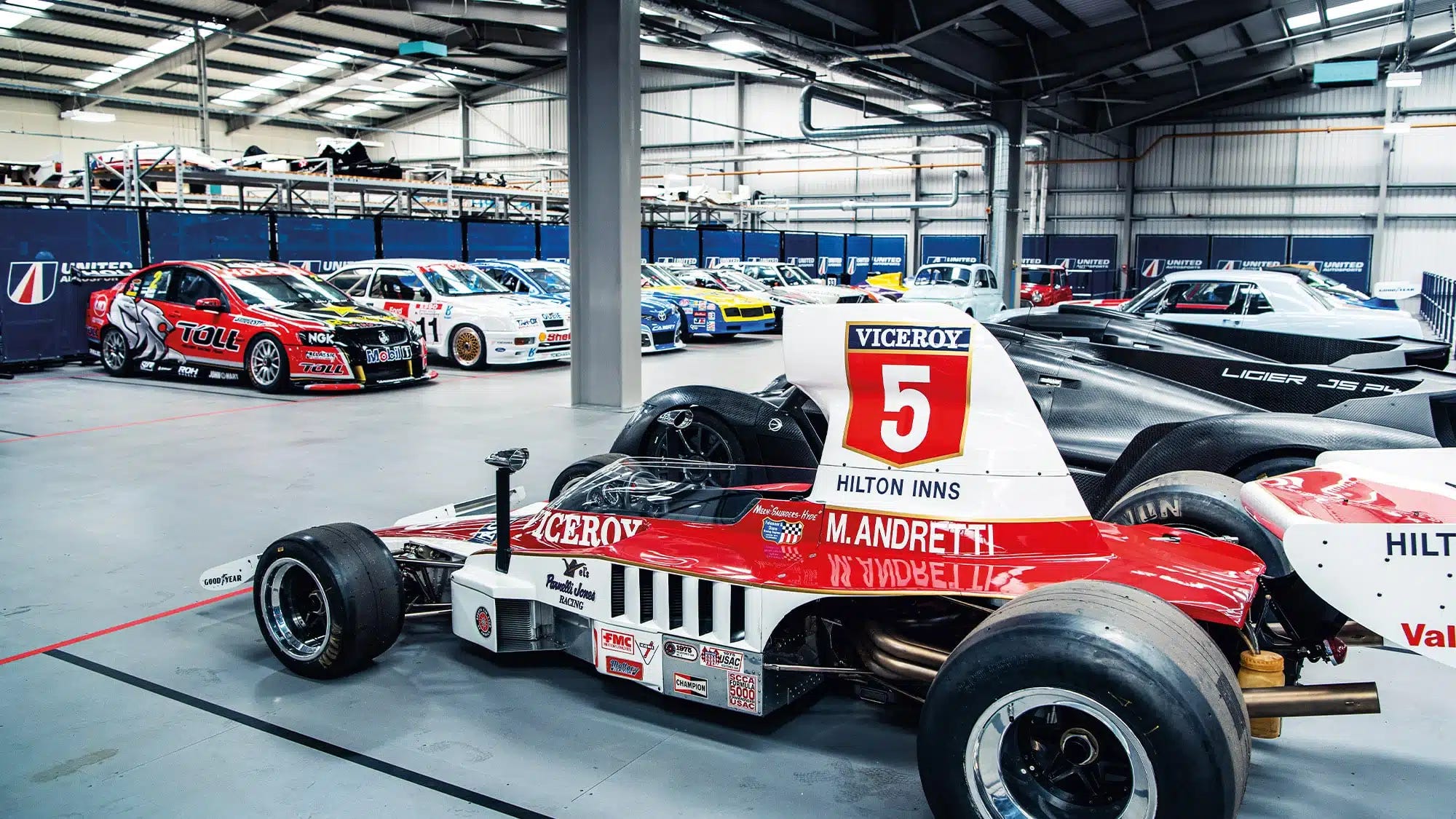
Zak Brown is 54 years old. His net worth is estimated at $50 million to $100 million. He holds no equity in McLaren Racing. He owns United Autosports, co-founded with Richard Dean, the team’s managing director, in 2009, which has won championships in the European Le Mans Series and the FIA World Endurance Championship and has twice taken outright victories at the 24 Hours of Le Mans and the 24 Hours of Daytona. His personal collection of approximately 40 historic racing cars, every one a winner and piloted by a world champion, is housed in a warehouse in the United Kingdom.
The financial arc of his career is clear. A $3,050 game show prize became a racing career. A racing career became the world’s largest motorsport marketing agency. A $15.2 million personal exit from that agency became the platform for the most consequential hired-gun tenure in Formula 1 history. He took a team valued at $718 million in 2020 and, without owning a single share, turned it into a $5 billion asset.
Shaw’s unreasonable man does not adapt to the world. He adapts the world to himself, and in doing so, moves it forward. Zak Brown walked into a pawn shop in Van Nuys in 1984 with two watches and walked out with a go-kart. He walked into McLaren in 2016 with a marketing résumé and walked out, eventually, with two consecutive world championships and the fastest-rising team valuation in Formula 1 history.
Mumtalakat and CYVN cannot afford to lose him. A CEO who takes a team from $718 million to $5 billion in five years without a share of the upside is every owner’s favorite kind of asset and every owner’s next headache, because the math eventually stops working in favor of the side writing the checks. Brown will extract equity in the next transaction McLaren runs, whether that is a secondary sale, an IPO route, as Mercedes charted one through Frankfurt in 2011, which Williams followed, or a restructuring tied to the 2026 regulation reset. If he does not, he will buy his way back into motorsport ownership somewhere else, and the paddock should not be surprised when he does. The unreasonable man does not stay on a salary forever.
The watches were worth more than anyone thought.
This dispatch brought to you by Omologato UK

This newsletter is made possible through the support of our subscribers and our partners. When you support our partners, you’re supporting independent media like Business of Speed. We recently had Omologato founder, Shami Kalra, on the podcast. Use partner code BOS10 on your Omologato purchase to let them know we sent you.
Great article. I am not a fan of Zak Brown but his tenacity to bend the motorsport world to his will cannot be denied.
Great job. I love the contrast between him and Toto. They seem so different in personality, but the way they both found and developed a skill and brought that into their passion is wildly impressive. You guys did great pieces on both.